テンプレート変数表

id: entry_list

作成者有限会社アップルップル

作成日2016/04/26

id: headline_default

作成者有限会社アップルップル

作成日2016/04/26

コメント

デフォルトのヘッドラインを表示します
indexがtopのときは右上に一覧ボタンを表示します
見出し内に挿入されるカスタムフィールドのアイコン対応に対応しています
<!-- GET_Template id="headline_default" module_id="" -->

id: summary_default

作成者有限会社アップルップル

作成日2016/04/26

コメント

デフォルトのエントリーサマリーを表示します
indexがtopのときは右上に一覧ボタンを表示します
見出し内に挿入されるカスタムフィールドのアイコン対応に対応しています
module_id モジュールIDを指定します

製品情報

<!-- GET_Template id="summary_default" module_id="" -->

id: summary_imageMain

作成者有限会社アップルップル

作成日2016/04/26

コメント

サマリーを表示します
サマリー用のデフォルトテンプレートよりもメイン画像が大きく表示されます
module_id モジュールIDを指定します
message リード文を指定します

<!-- GET_Template id="summary_imageMain" module_id="" message="" -->

id: summary_custom

作成者有限会社アップルップル

作成日2016/04/26

id: entry_list_pickup

作成者有限会社アップルップル

作成日2016/04/26

コメント

サブカラムで使用しているピックアップリストを表示します
見出し内に挿入されるカスタムフィールドのアイコン対応に対応しています
module_id モジュールIDを指定します
<!-- GET_Template id="entry_list_pickup" module_id="" -->

id: body_default

作成者有限会社アップルップル

作成日2016/04/26

コメント

エントリー本文を表示します
ユニット開始前にインクルードの条件に合うファイルがあった場合、カスタムフィールドの表示ができるようになっています
ページャー、日付の表示はモジュールIDを作成して調節します
module_id モジュールIDを指定します
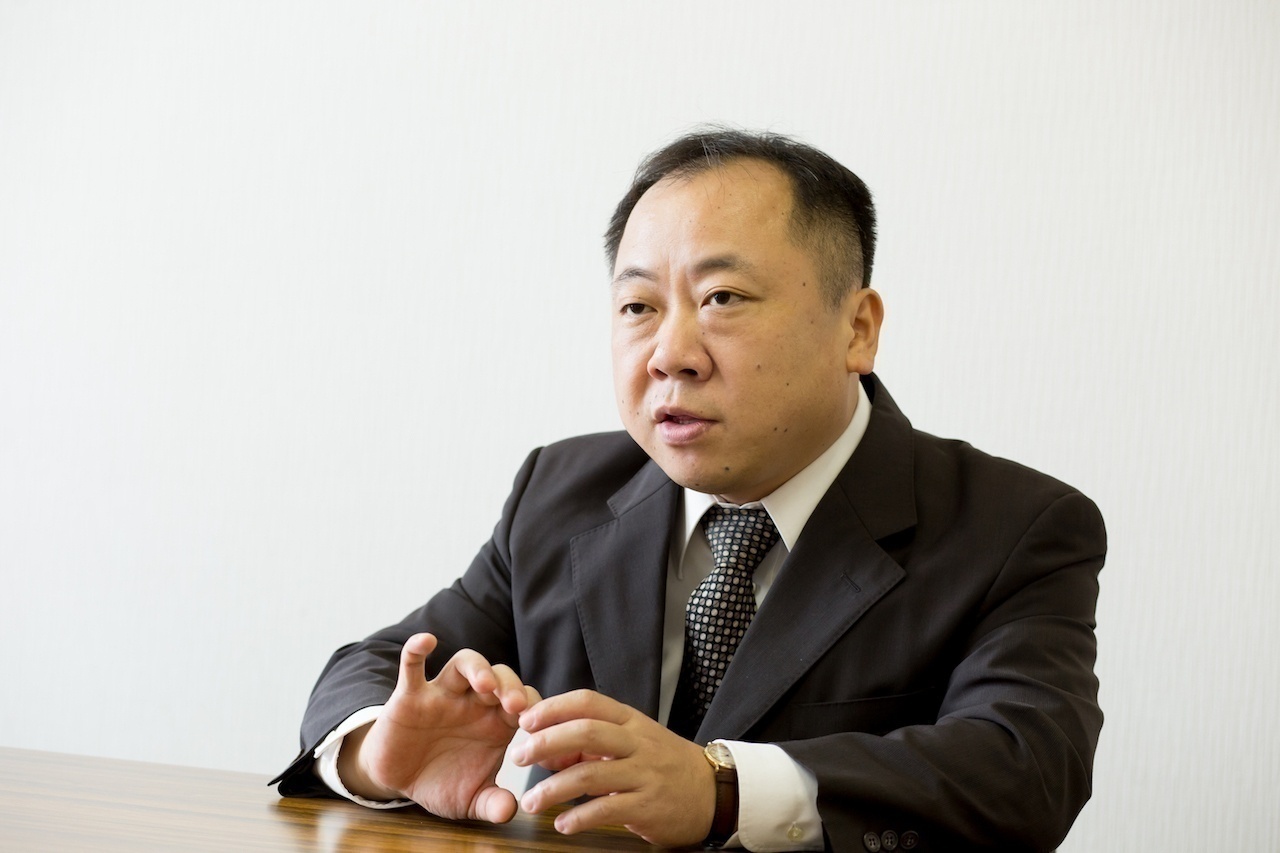
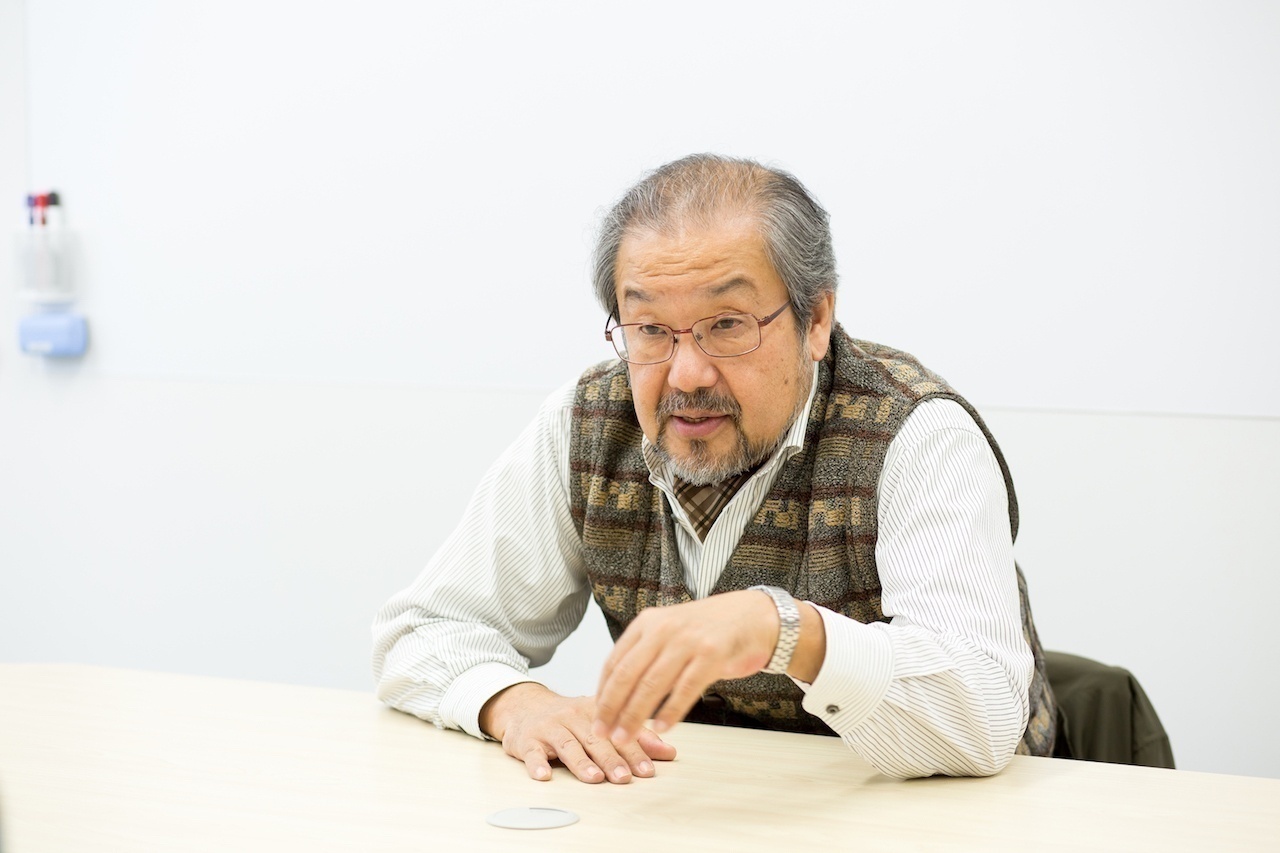
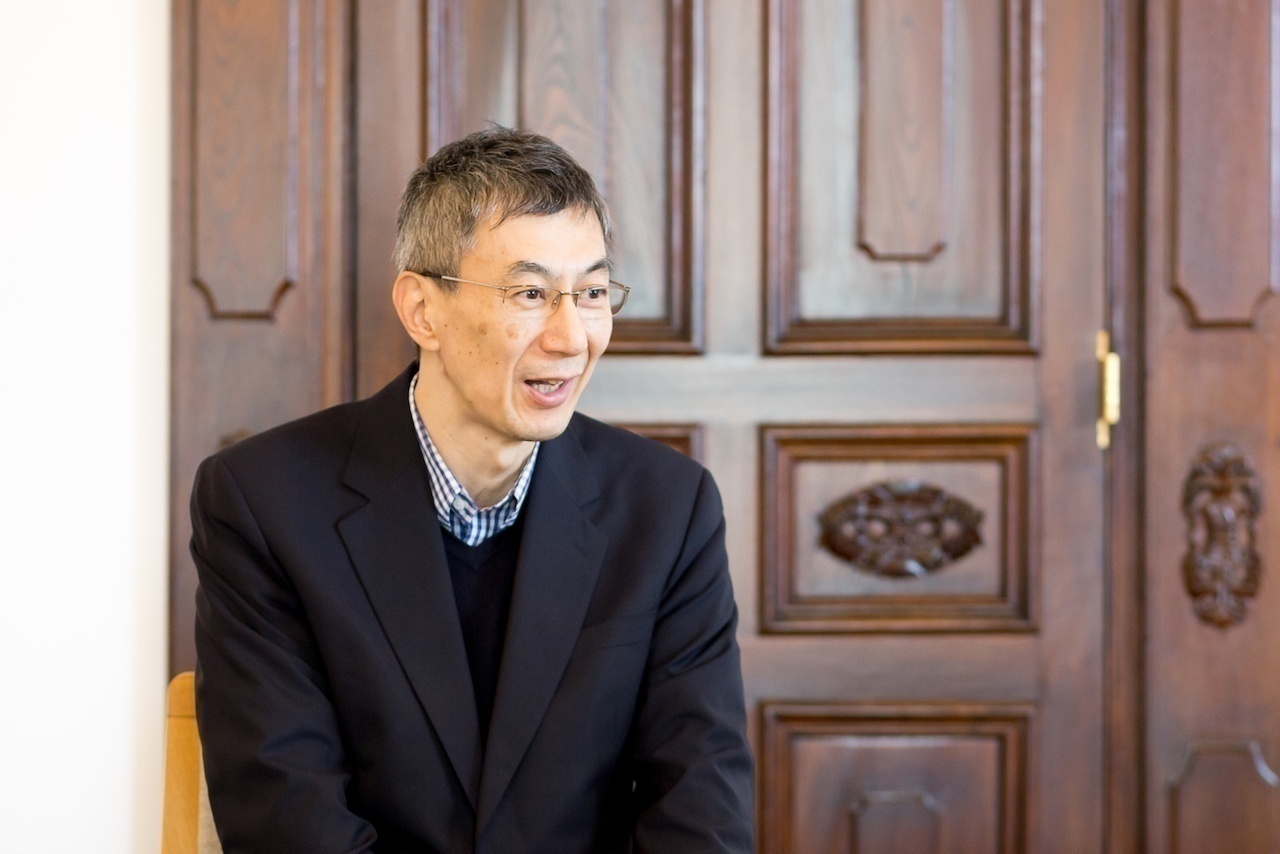
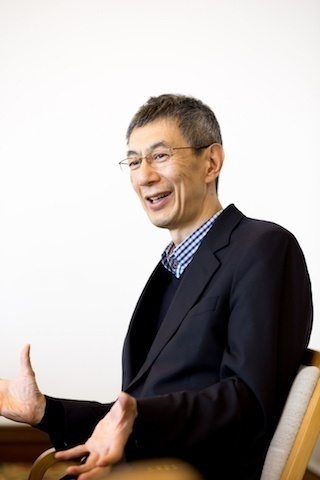
Prof. Yoshiyuki INOUE

Prof. Yoshiyuki INOUE


Prof. Yoshiyuki INOUE
Professor, Faculty of Law, Ryukoku University; Director, Correctional Religious Studies Unit, Criminology Research Center
[Profile]:
Specialist field of Shin Buddhism (Jodo Shinshu) studies. Author of “Views of Life, Death, and Transcendence in East Asian Thought” (co-author, Ryukoku University edition) and other works.

Prison Chaplaincy Work = Aiming for an Ideal Society
Publishing research papers and holding public research meetings are two potential ways to inform the wider public that prison chaplaincy involves serious confrontation of criminals to assist their spiritual rehabilitation and social reintegration. However, these activities would be meaningless if people only learn of the existence of prison chaplains. I would like people to see the role of the prison chaplain as appealing to an ideal state of society and personal interaction that is mutually supportive and where private society and the government work together beyond the boundaries of religion. I want my research to lead to creating this ideal state of society.

Aiming for an Inclusive Society Based on Shinran’s Ningenkan (View of Humanity)
The true teaching of Pure Land Buddhism (Jodo Shinshu) is the founding spirit of Ryukoku University. From the view of humanity that constitutes Shinran’s basic principles, the work of prison chaplains is an essential topic for contemplation. We tend to see those who commit crimes as different from ourselves. Shinran’s view is that people are influenced by their circumstances and encounters, and we cannot know how and in what way people will change. In other words, it is through mere good fortune that we do not find ourselves in the offender’s shoes.
When a criminal is sentenced to a correctional facility and, from the various hardships they undergo and interactions with prison chaplains, the criminal confronts themselves, reflects on past conduct, and is reintegrated back into society. If they then find it difficult to handle the critical gaze of others and fail to integrate back into society, they run the danger of committing further crimes. Prison chaplains are not only a spiritual bastion for people in correctional facilities, but they can also serve as a bridge to reintegration by coordinating with welfare services and private society in assisting criminals after they re-enter society. In response, society must also have the tolerance to accept offenders and not view them as alien or exclude them from social life. This idea also accords with the university’s spirit of tomoiki (to build life together), which is found in the relationships.

Historical Prison Chaplaincy Work and Finding Relevant Themes Today
Ryukoku University runs a Corrections and Rehabilitation Degree Program based on the religious preaching of the Honganji sect of Shin Buddhism. Nevertheless, prison chaplains and their work providing face-to-face guidance addressing the religious needs of inmates get very little recognition in society. Despite a history of prison chaplaincy work that spans over 100 years in Japan, we are now having difficulty bringing new people into the role.
To serve as the basis for informing society of the work done by prison chaplains, we have started looking at historical prison chaplaincy work and use books, published articles, and other documents to learn about the history of prison chaplaincy. Although the job title of prison chaplain suggests someone who preaches rectification through instruction and admonishment, these days, prison chaplains place greater importance on talking and listening to inmates. The way inmates are treated also changed after World War II, and I believe by understanding the work done by prison chaplains over the course of history we can uncover themes that are relevant today. After extracting these themes, we may then move on and set our sights on creating a program of education for those aiming to become prison chaplains or with an interest in prison chaplaincy.
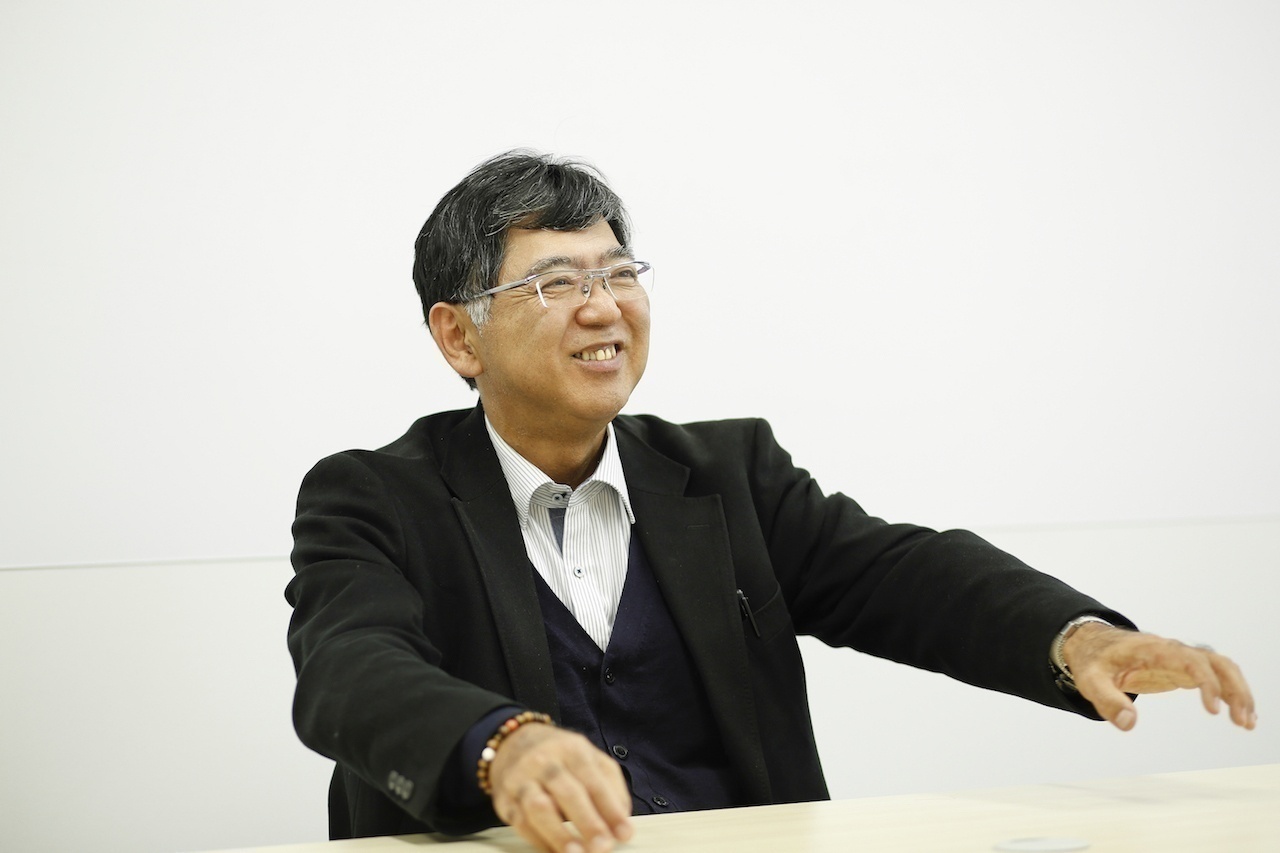
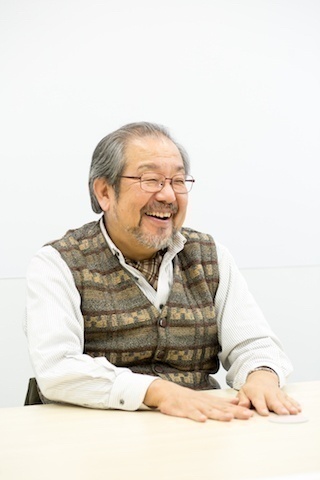
Prof. Toshinobu TAKEDA

Prof. Toshinobu TAKEDA

Prof. Toshinobu TAKEDA
Professor at the Department of Clinical Psychology, Faculty of Letters, Ryukoku University; Director, Forensic Psychology Unit, Criminology Research Center
[Profile]:
Fields of study are psychiatry and developmental disabilities, and the current focus of research is ADHD in adults. Also provides medical care as a psychiatrist at a specialist outpatient clinic for developmental disabilities.

Educating Society Today for Future Results
With this research, I hope to succeed in informing society that attention-deficit hyperactivity disorder (ADHD) could be a risk factor in creating circumstances that lead people to drug dependency and criminal involvement. When society realizes this, it should result in early detection and treatment for ADHD. To this end, I first want to try and identify which people in prison have ADHD tendencies and observe the potential effects of correctional education in preventing recidivism.
Based on my experience as a psychiatrist, I feel that there has been a steady decline in the likelihood of causing problems in the future by those children who have received treatment at my clinic. Similarly, when training and treatment are provided to groups or peer groups at adult facilities dedicated to developmental disabilities, many are able to return to society. Increasing this kind of training and treatment and achieving social reintegration will require discussion and support on multiple fronts.

Using Methods to Mitigate the Trials of Life
ADHD tendencies are apparent in the behavior of people dependent on drugs, though aspects of this observation are yet to be confirmed by neurocognitive tests, biological findings, and psychological tests. As such, I think there is something new to learn from conducting proper research in this area.
ADHD and drug dependency share the common characteristic of repeated failure and low self-esteem. People with ADHD also display a capacity for impulsive behavior, and particularly in new cases, they tend to involve themselves in things that appear interesting at first glance. These characteristics tend to lead to drug-dependent behavior.
ADHD is an innate tendency and hence difficult to cure, though it can be controlled by learning about oneself and compensating in areas where one falls short. I became interested in ADHD because many aspects of the disorder can be improved through appropriate behavioral therapy and the administration of drugs. Before someone falls into a spiral of negative thinking, they and the people around them must focus on positive details and positive behavior, as well as training to manage ADHD and make life easier for the afflicted.

Drug Dependency and Criminal Tendencies from a Medical Standpoint
For many years, I have carried out clinical research into ADHD, a developmental disorder and a kind of brain dysfunction. People with drug dependency are said to exhibit behavioral characteristics similar to ADHD, and by applying the experience and knowledge I have gained through many years of work as a researcher and doctor, I believe I can help people escape drug dependency.
Japan attaches importance to punishing people criminally for dependence on drugs, and this creates a revolving door phenomenon where recidivism causes addicts to repeatedly enter and leave prison. With this research, I hope to find an approach that will improve this situation. Neurofeedback has long been studied and utilized as a means of non-drug therapy for ADHD and more recently has occasionally been applied in the field of criminology. ADHD drugs are particularly difficult to use in treating illegal drug users, and since these users also often experience little improvement with psychotherapy and become persistent offenders, we hope that neurofeedback will be an effective treatment. However, many aspects of the evidence in support of neurofeedback in the treatment of ADHD are uncertain, hence we are preparing to study the effects of neurofeedback in adults with ADHD.
My ultimate goal in this project is to find any effective treatment for those who are susceptible to drug dependence including individuals with ADHD.


Prof. Koichi HAMAI

Prof. Koichi HAMAI


Prof. Koichi HAMAI
Professor, Faculty of Law, Ryukoku University; Director, International Section; Director, Policy Evaluation Unit, Criminology Research Center
[Profile]:
Previously worked in correctional institutions as an employee of Japan’s Ministry of Justice, has held researcher posts at the Research and Training Institute of the Ministry of Justice and the United Nations Interregional Crime and Justice Research Institute, and is well versed in domestic and overseas crime and criminal policy. Current criminological research is based on criminal statistics and scientific evidence.

We Need a Discussion Based on Scientific Evidence
I saw the need for scientific evidence in criminology, in discussions about crime, and in policymaking when I noticed a discrepancy between statistics on crime and the criminals I actually witnessed and the state of criminal punishment. While working for the Ministry of Justice, upon being transferred from a research institute creating Japan’s annual White Paper on Crime and studying criminal policy to the prison system, I encountered prisons full to capacity and convicted offenders held in jails. A large proportion of prison inmates had disabilities or were elderly with dementia, unable to work as a form of punishment, had no place to go after leaving prison, and displayed a high rate of recidivism. The jumping-off point for my research was having doubts over whether punishing criminals under these circumstances or toughening the law had any beneficial effect, and concerns about how this set of circumstances arose. Criminology studies in Japan have an insular and top-down structure; few people consider what kinds of people commit crime, why they commit crime, or the series of events that befall criminals after entering prison; and nobody conducts research into these matters.
My specialty is criminal statistics, and after spending time both compiling Japan’s annual White Paper on Crime and working in the prison system, upon starting research I quickly realized that an increase in arrest rates was not necessarily evidence of a deterioration in civil order. When statistics are not viewed scientifically and when anti-crime measures and criminal policies are instituted on baseless necessity, we end up going down the wrong path. In collaboration with professor Hiroshi TSUTOMI of the University of Shizuoka, a Japanese representative for the Campbell Collaboration, we set to work translating and analyzing reviews issued by the Campbell Collaboration, which is an international social science research network that produces high quality, open and policy-relevant evidence syntheses, plain language summaries and policy briefs.

The Campbell Collaboration
The Campbell Collaboration issues systematic reviews of (science-based) evidence presented as meta-analyses of data collected in experiments conducted in various countries by the same methods and criteria. These reviews are accessible on the Campbell Collaboration website and address the needs of people who require access to the best available evidence in fields of education, criminal justice, crime, and social welfare. When new evidence comes to light, the reviews are also promptly updated and revised. At present, these reviews appear in English on the web site in the form of a scientific article and an abstract summarizing the article, and our work mainly involves translating abstracts and reviews into Japanese.
Legal scholars, lawyers, and other legal experts in Japan rarely discuss matters based on scientific or statistical evidence. I would like people in Japan to discover and recognize the significance of the Campbell Collaboration as a means of sharing systematic reviews, and to make high-quality evidence available for policy evaluation and decision-makers in Japan.

Using my Unique Vantage Point to Examine Criminology on a Scientific Basis
My unique vantage point is based on time spent working for the Ministry of Justice and consists of first-hand experience in all correctional facilities spanning juvenile and adult offenders. I am also familiar with the places where statistics are created. Being experienced in the production of Japan’s annual White Paper on Crime as an editor, I can also compile and analyze all types of statistics collected in the field. Furthermore, having also been temporarily assigned to the United Nations agency that gathers and analyzes statistics from every country, I have a comprehensive understanding of the situation concerning crime in Japan and how Japanese criminal policy is viewed by the rest of the world.
Unlike America and Europe, criminology departments do not exist in Japan, hence few people in Japan understand the significance of discussions on criminology, data that can be used in policymaking, or are capable of analyzing the significance of how these data are created or figures derived from them. By building a foundation for a statistics-based scientific examination and discussion of crime, I hope that the Criminology Research Center will become both a hub for criminology research in Japan and a useful ally to the world.


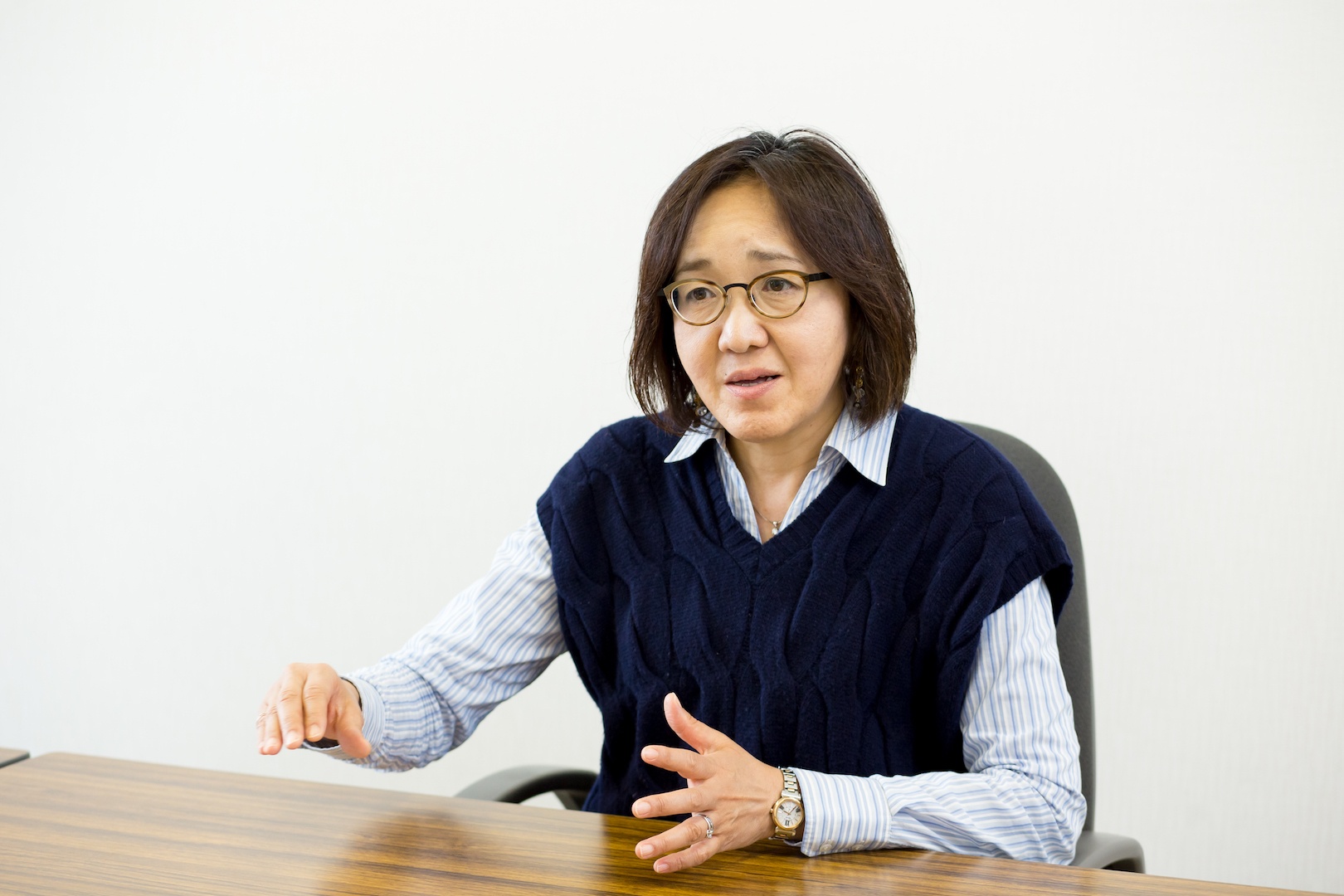
Prof. Kayoko KUROKAWA

Prof. Kayoko KUROKAWA


Prof. Kayoko KUROKAWA
Professor, Department of Social Welfare, Ryukoku University Junior College; Deputy Center Director; Member, Socio-legal Studies Unit, Criminology Research Center
[Profile]:
Conducts research into social welfare studies. Research topic is the development of practice models for bereavement support.

Examining the Social Function of Children’s Cafeterias
Since my specialty is in social welfare studies, I want to aid research activities across the entire Center through engagement from a social welfare studies perspective. Social welfare studies as an academic discipline examines what it is for people to have well-being and what kind of social infrastructure, including technology, regulatory policy, and welfare, is needed to support them.
Providing support for the socially vulnerable such as children, people with disabilities, and elderly people, poses an especially large number of challenges. This is why my research is now focused on children’s cafeterias.* We live in a period when one in seven Japanese children live in poverty. Child poverty is not just an issue for the individual child but presents a problem for the society around them. Data shows that children who grow up in poverty tend to have lower rates of educational advancement. When lower rates of educational advancement present a hurdle to finding employment, poverty can persist for generations. Children have no choice in the environment they are born into. When lingering poverty robs children of hopes and dreams regardless of hardworking parents, what role can children’s cafeterias play in creating children’s spaces and fostering healthy development? This was the motivation behind starting my research.

* Children’s cafeterias: A social service in Japan that provides good food and warm company either free-of-charge or at low cost to children, parents, and others in the community.

Thinking about Care and the Various Losses of Society
I have studied bereavement care for many years. Just as the bereaved lose someone important to them, a society that needs children’s cafeterias can also be described as having lost many things. For example, loss of community, loss of a safe family environment, and loss of people who eat meals together. People need places where they are needed and where they belong. The loss of places to belong leads to a loss of self-esteem and self-worth. We cannot deny the potential effect of these losses on delinquency and crime. In terms of the “compassionate” criminology advanced by the Criminology Research Center, I plan to study these matters from a social welfare perspective and the perspective of loss in particular.


Prof. Shin-ichi ISHIZUKA

Prof. Shin-ichi ISHIZUKA


Prof. Shin-ichi ISHIZUKA
Professor, Faculty of Law, Ryukoku University; Director, Criminology Research Center; Director, Therapeutic Jurisprudence Unit and Legal Education Unit, Criminology Research Center
[Profile]:
Serves as director of the Criminology Research Center and as leader of the Entaku (round table) project, which is an informal network that connects people wanting to recover from substance dependence and violence dependence.

Broadening the Appeal of Criminology to a Wide Audience
I set up the Criminology Research Center to create a hub where academic researchers intent on studying criminology as a scientific discipline can network, and to also raise the profile of the academic field of criminology in Japan.
Ryukoku University has the Ryukoku Corrections and Rehabilitation Center (RCRC) and is an important contributor to research into correction, rehabilitation and criminal policy in Japan. Similarly, the goal of the Criminology Research Center is to be a contributor in this field through research that combines a good balance of knowledge from the human sciences, social sciences, and natural sciences and to convince people that criminology is an interesting field of academic study.
Considering the social background and origins of people who commit crimes as well as the state of our nation, this gives us pause to ponder the state of the world. A close examination of crime opens our eyes to how people are inextricably linked with the world around them. When considered in this way, criminology is actually a rather interesting field that can be approached from all manner of directions.
The main goal of the Criminology Research Center is that each of its members works on education, human resources, and policy advocacy with the findings of their research. Moreover, another major goal is to facilitate a wide range of students and laypeople learning the appeal of criminology. Through the study of criminology, I want to foster a criminology literacy that guards people against the effects of inflammatory crime news.

Outreach that Supports the Individual
My own research is in the field of therapeutic jurisprudence and mainly covers drug-related problems through formulating drug policy to address the drug-related problems found in Japan. Japan once followed a draconian policy of long-term imprisonment of abusers and possessors of drugs but has recently altered its orientation towards the institution of measures that prevent recidivism by supporting social reintegration through state and civic coordination. Nevertheless, because this support is provided within a legal system that categorizes drug users, the mentally disabled, and elderly people under the same umbrella, it serves to thwart people’s independence.
We must seek to understand the needs of individual people and provide support for people to live according to those needs. People who make a criminal misstep deserve the support of people and society around them so they may work towards resuming life on a new path and avoiding the same misstep. Relating this situation to Aesop's Fable “The Ant and the Grasshopper”, it is important to respect the life of each; thus it is not the case that only the ant pursues the only correct way of life, but rather that the ant lives as an ant would and the grasshopper lives as a grasshopper would, and each have their own way of living. It is by this doctrine and through research and outreach activities that I intend to support offenders and continue policy advocacy and outreach activities that protect individual ways of pursuing life.

Bringing Criminology at Ryukoku University to the World
Criminology at Ryukoku University advances the Buddhist ethos of tomoiki (to build life together) that is represented in the idea that all existence rests on fate, and is also underpinned by Shinran’s views on human nature that stem from accepting things as they are. Although criminology as an academic discipline is not well recognized in Japan, my goal is to bring this criminology of Ryukoku University to Japan and the world.
While incidences of crime in Japan are very low compared to the rest of the world, we still have no clear understanding of why this is the case. Uncovering the reasons for this unique situation may help reduce crime in other countries and I look to foster research that has a positive influence on the international community.


<!-- GET_Template id="body_default" module_id="" -->

id: category_list

作成者有限会社アップルップル

作成日2016/04/26

コメント

サブカラムで使用しているカテゴリーリストを表示します
<!-- GET_Template id="category_list" module_id="" -->

id: category_entry_summary

作成者有限会社アップルップル

作成日2016/04/26

コメント

カテゴリーエントリーサマリーを表示しています
module_id モジュールIDを指定します
  • 農福連携で地域をつなぐおもやの方々と大宝神社の「朝市」に参加しました。【社会共生実習】

    社会学部の「社会共生実習(農福連携で地域をつなぐ―「地域で誰もがいきいきと暮らせる共生社会に向けて)」(担当教員:坂本清彦准教授)では、実習先である滋賀県栗東市のNPO法人「縁活」で、障がい者が農業に携わる農福連携事業に関わることで、受講生たちが地域づくりの活動を経験・展開しています。 6/1(土)には、実習先の農福連携事業に取り組む「おもや」(滋賀家栗東市)の利用者さん、スタッフの方々と、地元栗東市の大宝神社(だいほうじんじゃ)の「朝市」に参加しました。 農福連携事業とは、農業を通じて障がいを持...

  • びわ湖の日 滋賀県提携 公開講座【9/14・9/28・10/12 (土)】

    「びわ湖の日(7月1日)」にちなみ、滋賀県と龍谷大学の提携による参加無料の公開講座を3回実施(各回のみの参加可能)。 びわ湖の保全再生、持続可能な社会づくりに向けて、一人ひとりが新たな気付きを得ていただくことを目的に開催します。 第1回 9月14日(土)10:00~11:00 テーマ クラゲを栽培?「姉川クラゲ」 講 師 玉井 鉄宗(龍谷大学農学部農学科 准教授) 第2回 9月28日(土)10:00~11:00 テーマ 古地図に描かれた近江の村のドボク 講 師 島本 多敬(滋賀県立琵琶湖博物館 学芸員) 第3回 10月12日(土)10:00~11:00 テー...

  • 付属平安高校との高大連携教育プログラムを開始【経済学部】

    経済学部では、付属平安高校からの入学予定者に対して、高大連携教育プログラムを毎年実施しています。 今年度は12月8日(土)に、付属校推薦入学試験に合格した入学予定者に向けて、次のような全体ガイダンスを行いました。また、進学先を決めようとしている付属校の2年生に対しても、同様のガイダンスを行いました。 ・学部長補佐「入学前課題のねらい」 ・ピア・サポーター(PS)による報告「BIEプログラム」 ・PSによる報告2「グアム研修」 次に、見学する演習ごとに6つの班に分かれ、PSの助けを借りながら、お互いに自己紹介で...

  • 【終了】<特別イベント>「入澤学長にいざなわれる“お釈迦さんのむかしばなし”の世界 ×ナイトミュージアム」

    <特別イベント> 入澤学長にいざなわれる“お釈迦さんのむかしばなし”の世界 ×ナイトミュージアム (なんと、ベゼクリク石窟壁画の解説もおこないます!) 入澤崇龍谷大学長(元龍谷ミュージアム館長)による展示解説を開催します!本イベントはナイトミュージアムと併せて開催しますので、お仕事帰りや京都観光の締めくくりなどに、ぜひお越しください! 入澤学長は今回の「お釈迦さんのむかしばなし」(=ジャータカ)の著作もあります。ここでしか聞けない話があるかも!? 日時: 8月4日(金) 18時~(入澤学長による解説、約1時...

  • 第100回創立記念降誕会メインデーイベント 6月26・27日に開催!!

    第100回創立記念降誕会は『再開』をテーマに、開催できることへの感謝の気持ち、また、第99回のテーマ『再開』をテーマに、開催できることへの感謝の気持ち、また、第99回のテーマ『開華』から「開」の字を用いることで、昨年度の意思を引き継いでいくという思いを込めて開催されます。 6月26・27日はメインデーイベントとして、さまざまなイベントが開催されます。コロナ禍を考慮して対面とオンラインのハイブリッド型での開催となります。 詳しくは「龍谷大学第100回創立記念降誕会特設HPサイト」をご覧ください。 https://www.ryuk...

  • 「南海トラフ地震臨時情報(巨大地震注意)」の発表について

    2024年8月8日(木)16時43分頃に日向灘を震源とするマグニチュード7.1の地震が発生しました。この地震の発生に伴って、同日19時15分に気象庁から「南海トラフ地震臨時情報(巨大地震注意)」が発表されました。 &nbsp; 南海トラフ地震の想定震源域では、大規模地震の発生可能性が平常時に比べて高まっているとされています。学生の皆さんは、通常の生活を送りつつ、政府や自治体などからの呼びかけ等に応じた防災対応をとるようにし、改めて日ごろからの地震への備えを再確認するようにしてください。

  • Zoomで行う「探究」での「国語的」模擬裁判授業_創志学園高校(公開授業)【犯罪学研究センター協力】

    犯罪学研究センターの嘱託研究員である札埜和男准教授(岡山理科大学・教育学部)が、法教育・法情報ユニットの活動として、下記の通り公開授業をZoomでオンライン開催します。 法教育とは,法律専門家ではない一般の人々が,法や司法制度,これらの基礎になっている価値を理解し,法的なものの考え方を身につけるための教育です。 法務省では法教育に関する様々な取組を推進しています。当センターの法教育・法情報ユニットは、その取組に賛同し、独自の企画を立ち上げ、どのような法教育の場が設けられるのかを活動を通して研究して...

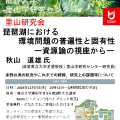
  • 公開研究会「琵琶湖における環境問題の普遍性と固有性 ー資源論の視座からー」

    赤野井湾は琵琶湖の烏丸半島の北部に位置する湾であり、琵琶湖のなかでも有数の漁場でした。しかし高度経済成長期以降に汚濁が進み、また現在では侵略的外来生物(オオバナミズキンバイ)の繁殖が重大な問題となっています。 今回の研究会では、市と漁業者と市民団体が連携して発足した「赤野井湾再生プロジェクト」に参加されている秋山先生(滋賀県立大学名誉教授 / 里山学研究センター研究員)から、赤野井湾の現状やこれまでの経緯、研究上での課題などについて発表していただきます。 対面・オンラインのハイブリッド形式で行います...

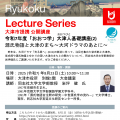
  • 大津市提携 公開講座 令和7年度「おおつ学」大津人基礎講座(2)

    昨年は、大河ドラマ「光る君へ」(NHK)の放送に伴って、注目を集めた紫式部と大津市。紫式部や源氏物語とゆかりの深い大津のまちとの関わりについて、同志社大学文学部教授の岩坪健氏にご講演いただきます。ぜひご参加ください。 講師:同志社大学文学部教授 岩坪 健 氏 1957年京都市生まれ。 1981年京都大学文学部国語学国文学科卒。 1991年「源氏物語古注釈の研究-中世源氏学の流れ-」で文学博士。 現在、同志社大学宮廷文化研究センター所長。 お申込みはこちらから https://ryukokuotsu2025-2.peatix.com (8/1(金)10時から...

  • 龍谷大学大学院実践真宗学研究科シンポジウムの開催【文学部】【実践真宗学研究科】

    龍谷大学大学院実践真宗学研究科シンポジウム「看護と仏教の連携を求めて 多死社会の終⽣期に看護者と仏教者は何をすべきか」を次のとおり開催します。 多くの方のご参加をお待ちしております。 日時: 2020年12月17日(木)13:15~16:45 (12:30開場予定) ※新型コロナウイルス感染防止対策を考慮して、オンライン(ZOOM)開催いたします。 講師 長江弘子(東京女子医科大学教授 エンドオブライフケア学会副理事長) 「患者の生き方を支えるケア・アドバンスケアプランニング ~患者意思表明支援の仕組みと人材育成」 關本翌子(国立...

  • 進学相談会

    龍谷大学入試アドバイザーが、各地の進学相談会で受験生の個別相談に対応。 キャンパスの雰囲気や大学生活、入試制度、学費、各学部の特色等について分かりやすくご説明します。 主催業者:栄美通信

  • 2019年度第1回知的財産セミナー 「知財NOW!!」

    知的財産センターでは、学内における知的財産活動の啓発に努めており、 その一環として、学生・教職員を対象とした知的財産セミナーを開催しています。 今回のテーマは「知財NOW!!」 学外から弁理士の先生をお招きし、世界中で日々おこっている知財ニュースを 分かりやすく解説していただきます。 受講すると日常生活の見え方が変わるかもしれない…。 学舎・学部を問わず、多数のご参加お待ちしております!

  • テスト

    テキストが入ります。テキストが入ります。テキストが入ります。テキストが入ります。テキストが入ります。テキストが入ります。テキストが入ります。テキストが入ります。テキストが入ります。テキストが入ります。テキストが入ります。テキストが入ります。テキストが入ります。テキストが入ります。テキストが入ります。テキストが入ります。

  • 国際学部 履修<履修登録手続編>

    国際学部 履修<履修登録手続編> ■履修<履修登録手続編>重要 &nbsp; &nbsp; &nbsp; &nbsp; &nbsp; &nbsp; &nbsp; &nbsp; &nbsp; &nbsp; 履修<履修登録手続編>(通し)「時間割の組み方、登録の仕方、注意事項など」 20分 ※以下の動画は履修<履修登録手続編>(通し)を分けたものです。 1.履修登録の準備 基本事項の確認「基本事項を確認しよう」 3分半 2.履修登録の流れ「履修登録の流れ」 1分 3.時間割 必修科目編「時間割を組んでみよう 必修科目編」 2分半 4.時間割 教養科...

  • 国際学部 履修<履修登録手続編>

    ■履修<履修登録手続編>重要 履修<履修登録手続編>(通し)「時間割の組み方、登録の仕方、注意事項など」 20分 ※以下の動画は履修<履修登録手続編>(通し)を分けたものです。 1.履修登録の準備 基本事項の確認 「基本事項を確認しよう」 3分半 2.履修登録の流れ 「履修登録の流れ」 1分 3.時間割 必修編 「時間割を組んでみよう 必修科目編」 2分半 4.時間割 教養科目編 「教養科目で残りの科目を決めよう」 4分半 5.予備・事前登録 「科目を決めたら登録しよう 予備・事前登録」 2分半 6.本登録 「本登録しよう...

<!-- GET_Template id="category_entry_summary" module_id="" -->

id: tagfilter

作成者有限会社アップルップル

作成日2016/04/26

コメント

タグフィルターを表示します
module_id モジュールIDを指定します
<!-- GET_Template id="tagfilter" module_id="" -->

id: news_list

作成者KDL藤川

作成日2017/04/26

コメント

ニュース一覧を表示します
module_id モジュールIDを指定します
<!-- GET_Template id="news_list
" module_id="" -->

id: news_list_see_more

作成者KDL藤川

作成日2017/05/12

コメント

ニュース一覧(20件ごと)を表示します
module_id モジュールIDを指定します
<!-- GET_Template id="news_list_see_more
" module_id="" -->

id: news_latest_list

作成者KDL藤川

作成日2017/05/12

コメント

ニュース一覧(最新4件)を表示します
module_id モジュールIDを指定します
<!-- GET_Template id="news_latest_list
" module_id="" -->

id: news_detail

作成者KDL藤川

作成日2017/04/26

コメント

ニュース詳細を表示します
module_id モジュールIDを指定します
<!-- GET_Template id="news_detail
" module_id="" -->

id: event_list

作成者KDL藤川

作成日2017/04/26

コメント

イベント一覧を表示します
module_id モジュールIDを指定します
<!-- GET_Template id="event_list
" module_id="" -->

id: event_list_see_more

作成者KDL藤川

作成日2017/05/12

コメント

イベント一覧(20件ごと)を表示します
module_id モジュールIDを指定します
<!-- GET_Template id="event_list_see_more
" module_id="" -->

id: event_latest_list

作成者KDL藤川

作成日2017/05/12

コメント

イベント一覧(最新8件)を表示します
module_id モジュールIDを指定します
<!-- GET_Template id="event_latest_list
" module_id="" -->

id: event_detail

作成者KDL藤川

作成日2017/04/26

コメント

イベント詳細を表示します
module_id モジュールIDを指定します
<!-- GET_Template id="event_detail
" module_id="" -->

id: news_chart

作成者KDL沖

作成日2017/05/08

コメント

多言語用ニュース一覧を表示します
module_id モジュールIDを指定します
<!-- GET_Template id="news_chart
" module_id="" -->

id: event_chart

作成者KDL沖

作成日2017/05/08

コメント

多言語用イベント一覧を表示します
module_id モジュールIDを指定します
<!-- GET_Template id="event_chart
" module_id="" -->

id: attention_list

作成者KDL藤川

作成日2017/05/15

コメント

重要なお知らせ一覧を表示します
module_id モジュールIDを指定します
<!-- GET_Template id="attention_list
" module_id="" -->

id: news_items

作成者有限会社アップルップル

作成日2016/04/26

コメント

エントリー本文を表示します
ユニット開始前にインクルードの条件に合うファイルがあった場合、カスタムフィールドの表示ができるようになっています
ページャー、日付の表示はモジュールIDを作成して調節します
module_id モジュールIDを指定します
<!-- GET_Template id="news_items
" module_id="" -->

id: tag_list

作成者KDL藤川

作成日2017/05/01

コメント

タグ一覧を表示します
module_id モジュールIDを指定します
  • キーワードで絞る
<!-- GET_Template id="tag_list" module_id="" -->