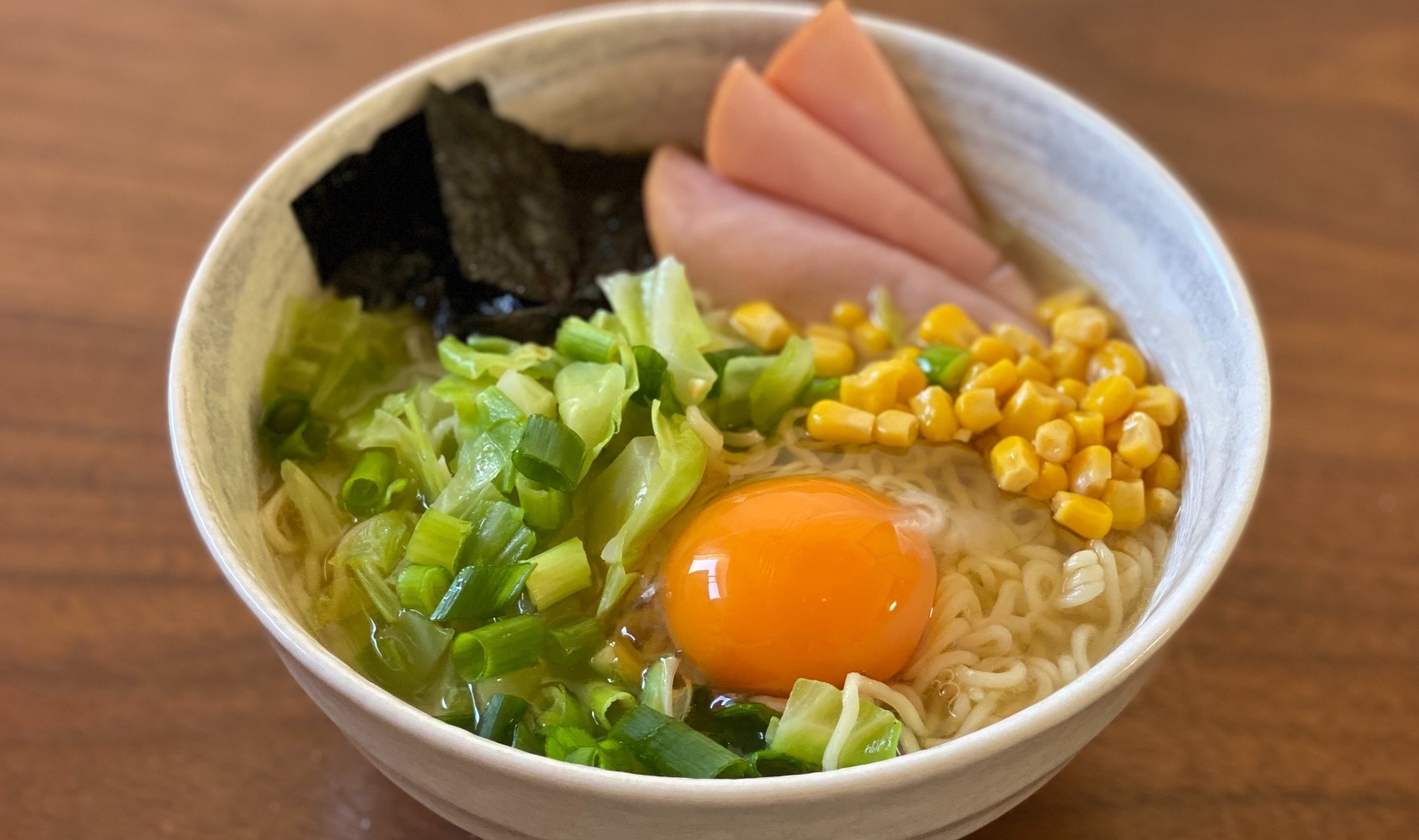
ひと工夫加えるだけでバランスが良くなるお手軽レシピ(短期大学部 野口聡子准教授執筆のMog-labの記事を紹介)【学長室(広報)】
食と農の楽しさを伝えるWEBマガジン「Mog-lab(もぐらぼ)」に、短期大学部 野口聡子准教授の記事が掲載されました。
ひと工夫で栄養バランスがUP!小児栄養が専門の野口准教授がお手軽レシピをお伝えします。
作成者有限会社アップルップル
作成日2016/04/26
コメント
サブカラムで使用しているエントリーリストを表示します| module_id | モジュールIDを指定します |
|---|
<!-- GET_Template id="entry_list" module_id="" -->
作成者有限会社アップルップル
作成日2016/04/26
コメント
デフォルトのヘッドラインを表示します| module_id | モジュールIDを指定します |
|---|
<!-- GET_Template id="headline_default" module_id="" -->
作成者有限会社アップルップル
作成日2016/04/26
作成者有限会社アップルップル
作成日2016/04/26
コメント
サマリーを表示します| module_id | モジュールIDを指定します |
|---|---|
| message | リード文を指定します |
第6回「CrimRC(犯罪学研究センター)公開研究会」を開催【犯罪学研究センター】
2019年1月29日、龍谷大学 犯罪学研究センターは第6回「CrimRC(犯罪学研...
「宗教教誨活動」をテーマに矯正宗教学ユニット公開研究会を開催【犯罪学研究センター】
2019年1月30日、犯罪学研究センター「矯正宗教学ユニット」では、公開研...
「滋賀めし」メニューコンテストグランプリに選ばれました【農学部】
滋賀県産の食材を活用し、県民の健康増進を目指す滋賀県の取り組み、「...
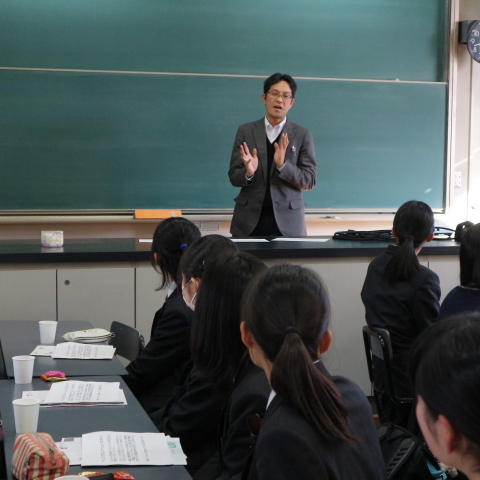
2月6日、京都府立 桃山高等学校にて、農学部アグリカフェ「食べ物の安全...
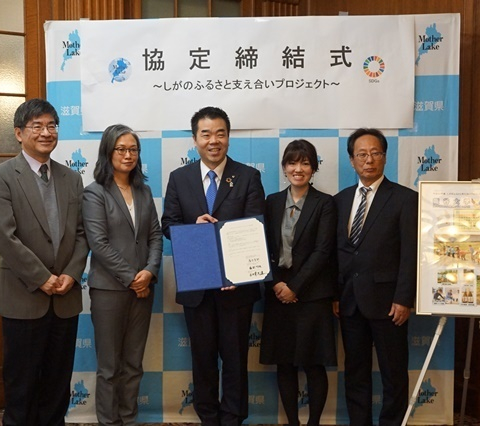
地域活性化の取組支援「しがのふるさと支え合いプロジェクト」に係る協定を締結
本学農学部食料農業システム学科では、2016年度から一般社団法人 環びわ...
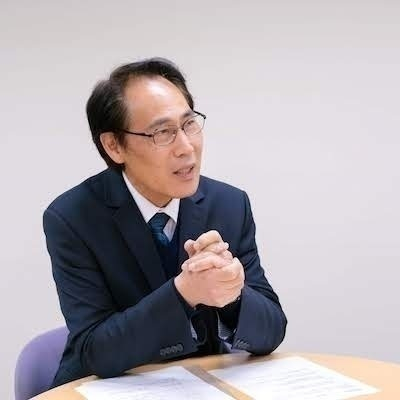
久松 英二 × 石塚 伸一 対談「宗教学の観点から考える日本の司法政策への新たなアプローチ」【犯罪学研究センター】
今や世界のスタンダードとなった死刑廃止論。一方、日本では死刑存置派...
<!-- GET_Template id="summary_imageMain" module_id="" message="" -->
作成者有限会社アップルップル
作成日2016/04/26
コメント
物件情報用カスタムフィールド画像を表示するためのサマリーですパラメーターがありません。
<!-- GET_Template id="summary_custom" -->
作成者有限会社アップルップル
作成日2016/04/26
作成者有限会社アップルップル
作成日2016/04/26
コメント
エントリー本文を表示します| module_id | モジュールIDを指定します |
|---|
食と農の楽しさを伝えるWEBマガジン「Mog-lab(もぐらぼ)」に、短期大学部 野口聡子准教授の記事が掲載されました。
ひと工夫で栄養バランスがUP!小児栄養が専門の野口准教授がお手軽レシピをお伝えします。
入澤 崇 龍谷大学長による「学長法話」を以下のとおり開催します。例年、前期・後期に各キャンパスで実施していますが、今期は新型コロナウイルス感染症の影響により、深草キャンパスの顕真館での法話をYouTubeにて配信します。是非みなさま、オンラインにてご参加くださいますようご案内いたします。
機器トラブルによりライブ配信ができませんでした。ご迷惑をお掛けしましたことをお詫びいたします。以下のリンク先から録画映像をご視聴いただけます。
https://youtu.be/pcDyrviK3BE
■学長法話
法話 入澤 崇 学長
日時 2020年6月30日(火) 8:30からの勤行「らいはいのうた」に引き続き学長法話となります。
場所 深草学舎 顕真館
インターネットYouTubeの龍谷大学宗教部チャンネルでライブ配信します。
https://www.youtube.com/c/ryukokushukyobu
できる限り事前のチャンネル登録をおすすめします。
犯罪学は、あらゆる社会現象を研究の対象としています。今回の「新型コロナ現象」は、個人と国家の関係やわたしたちの社会の在り方自体に、大きな問いを投げかけています。そこで、「新型コロナ現象について語る犯罪学者のフォーラム」を通じて多くの方と「いのちの大切さ」について共に考えたいと思います。
今回は、浜井 浩一教授(本学法学部・犯罪学研究センター 国際部門長)のコラムを紹介します。本稿は、『季刊刑事弁護』103号(現代人文社より2020年7月刊行予定)にに寄稿した『新型コロナパンデミックを犯罪学する』の番外編として執筆されたものです。
※要約版である『新型コロナパンデミックを犯罪学する1』とあわせてご覧ください。
欧米先進国の多くが都市封鎖を選択しているのに対して、都市封鎖をせずに社会活動を維持する集団免疫政策を実施している代表的な国がスウェーデンである。ただし、スウェーデンは、都市封鎖はしていないが、現在の日本が緊急事態宣言解除後に推奨している「新しい生活様式」、つまり社会的距離をしっかりと保ち、多数の人が密に集まることを避ける対策を実践しながら、普通の社会生活を保持しようとしているのである。当然、都市封鎖をしている近隣諸国よりはコロナへの感染リスクや感染者の死亡リスクは高くなる。本稿執筆時点(6月8日)で、人口が約半分の隣国ノルウェーと比較すると、スウェーデンで確認された感染者が5倍強、死亡者が約19倍(ノルウェーが238人に対してスウェーデンは4,659人)*1となっている。しかも、イタリアなどの南欧諸国が重篤患者を受け入れられない医療崩壊を起こしたのに対して、スウェーデン政府は現時点で医療崩壊を起こさず集中治療室(ICU)にも余裕があるとしている。なぜこのような政策の選択が可能なのか。5月13日の統計でスウェーデンにおいてコロナに感染して死亡した者のうち70歳以上の者の割合は約88%となっている。実は、スウェーデンでは徹底したトリアージが行われ、コロナに感染し重篤化した80歳以上の高齢者や70歳以上で基礎疾患のある者に対しては、ICUを積極的に使用しないようにしているとの報告がある*2。コロナ感染による死亡者の半数以上は、介護施設で集団感染(クラスター)により死亡した高齢者である。人々の社会生活に対する規制を最小限にとどめ、外出自粛や店舗の休業などを求めず、経済活動を維持しながらコロナとともに生活すること、そして集団免疫を得ようとする政策を選択するということは、高齢者、特に70歳以上で基礎疾患を持つ高齢者の死亡リスクを許容するということにつながっている。
数か月単位で見れば、この政策によってスウェーデンにおいて死亡する高齢者の数は大きく増加する可能性がある。しかし、おそらく数年単位の移動平均をとって、高齢者の死者数の推移をみれば、その増加はどの程度であろう。日本においても、インフルエンザに罹患するなどして肺炎で死亡する80歳以上の高齢者は年間8万人存在するのであり、同じことはスウェーデンにも言える。
都市封鎖をする選択としない選択、どちらの方法が正解なのか。これに対する答えはすぐには出ない。経済状況、高齢者人口の割合、人権意識等、国情によって採り得る対策は異なってくる。ただ、もしスウェーデンが集団免疫(herd immunity)を獲得することに成功すれば、コロナによる大規模な感染拡大を経験した国の中で、社会生活や経済活動を停止させなかった分だけ市民生活へのダメージは最小限に抑えられ、経済的なダメージも低く抑えることができるかもしれない。集団免疫を獲得するためには、市民の60%が抗体を持つ必要があるといわれている。しかし、集団免疫を獲得できる感染率を示す集団免疫(率)は、基本再生産数(感染した1人の感染者が、誰も免疫を持たない集団に加わったとき、平均して何人に直接感染させるかという人数)等から算出されるが、北海道大学の西浦博教授は、新型コロナウイルスに関しては、年齢構造に加え、家庭やコミュニティーなどの社会構造の違いといった異質性の要素を導入した集団免疫度の計算手法を用いると、感染者が20-40%程度であっても集団免疫が獲得される可能性について指摘している*3。スウェーデン保健当局の調査によると、5月の段階でのストックホルムでの抗体保有率は、7.3%である*4。ちなみにニューヨーク市で実施された抗体検査によると19.9%の者に抗体が見つかっている。ニューヨーク市だけに限って言えば、集団免疫に近い状態にあるのかもしれない。
一つ言えることは、現在の日本においてスウェーデンが採っている対策を政府が選択することは不可能だということである。日本は世界一の高齢化社会である。『令和元年版高齢社会白書』*5によると2020年における65歳以上の高齢者の割合は、スウェーデンが約20%であるのに対して日本は約29%である。しかも国政選挙での国民の投票率が低い日本において、現政府が政権を維持できているのは、高い投票率を維持している高齢者層の支持を受けているからである。国会議員にも高齢者は少なくない。都市封鎖をせずに集団免疫の獲得を目指すということは、死亡リスクの高い高齢者の犠牲をある程度覚悟することを意味している。当然、高齢の両親や祖父母を失った家族の怒りは、都市封鎖を選択しなかった政府に向けられることになる。彼らの多くは政府が都市封鎖を選択していれば、自分たちの家族は死なずに済んだかもしれないと考える。日本のメディアは、そうした家族の思いを取り上げ、遺族とともに政府を激しく非難することになるだろう。
スウェーデンでも同じ思いをしている家族は少なくないはずである。現に、スウェーデン政府の選択に対する批判は遺族や専門家からも出ている*6。特に、言葉や文化風習の違いから当初政府の方針を十分に理解できなかった移民層に多くの感染者が出たことに対する批判は、スウェーデン国内外から出ている。にもかかわらず、都市封鎖を選択することなく社会生活を維持する政策はなぜ可能だったのか。それは、現在の政府の政策が多数の国民によって支持されているからである。
その理由は様々考えられるが、スウェーデンに詳しい人たちの意見を総合すると、次の点に集約されるだろう。世界価値観調査*7などによると、スウェーデンでは個人主義的傾向が強い一方で、政府の透明性が高く、政府機関に対する信頼度が高い。政府機関に対する信頼度の高さは、筆者らが実施した刑事司法に対する信頼度調査でも示されている*8。また、スウェーデンに限らず北欧では、政策決定において専門家の意見が重視される傾向が強く、政策決定に至るプロセスやそこで使用されたエビデンスなどの情報公開や透明性も高いので、結果として政府に対する信頼度も高くなっている*9。スウェーデンでコロナ対策の陣頭指揮をとっているのは、感染症が専門の医師でもある国家主席疫学者のアンデシュ・テグネルである。そして、彼が中心となって公衆衛生局が毎日定時に会見を行い、あらゆる質問に対して、できる限りデータを示すことによって説明を尽くし、国民に対しては、各自の責任で社会的距離の維持などの徹底した対策を採るなどの行動変容を求めている。
スウェーデン在住の翻訳家 久山葉子は自身の記事の中で、政府の対応を「科学的根拠 に終始する」、「失敗は認め、すぐに対処する」とした上で、テグネルについて「とりわけ顔色を変えないことで有名なのが、国家主席疫学者のアンデシュ・テグネル氏です。どんな質問にも科学的根拠を示して堂々と答える姿に、「この人がこの国でいちばんコロナに詳しいんだ。この人の言葉を信じて大丈夫だ」と思わされます。先述のとおり、一時は批判も激しかったのですが、どれだけ批判されても持論を曲げることはありません。」と記載し、最後に「Källkritik(シェルクリティーク)」というスウェーデン語を引用しながら、スウェーデンにおいてファクト・チェック、国民一人ひとりが、事実を確認して自分の判断で行動することを幼少期からの教育で徹底されていることが、この世界とは異なるコロナ対策の選択を可能としているのではないかと指摘している*10。フェイクニュースに踊らされ、何かあればすぐに政府の責任を追及することが大好きな私たち日本人にはできないことである。
一人ひとりの死を統計的に分析し、国家にとって何が最も適切かを疫学的に判断するのであれば、スウェーデンの採った政策は一つの選択肢として間違ってはいないのかもしれない。都市封鎖をすれば、隣国のノルウェーなどのように死者の数を相当数少なくすることができたかもしれないが、国民の社会生活や経済に与える影響は更に深刻であったはずである。今以上に多くの失業者や自殺者を出した可能性もある。しかし、都市封鎖をしない政策を実行するには、そのリスクに対する国民の理解が不可欠である。数理モデルを使って経済を含めたリスクを統計的に分析した上で、この選択にもある程度の妥当性があったとしても、それは統計上の数字の話であり、家族を失った人たちにとっては、その選択によって唯一無二の命が奪われたと感じるに違いない。施設で寝たきりの高齢者の場合、たとえ、コロナに感染して死亡しなかったとしても数年以内に死亡するかもしれない。だからといって、家族の死を受け入れることのできる人は少なくとも日本には多くないであろう。その家族の感情を受け止める覚悟と国民の大多数の支持がなければ、このような政策を採ることはできない。少なくとも、大多数の国民がその選択に納得していることが不可欠である。
現在、スウェーデン政府は、都市封鎖をしない政策を採り、多数の死亡者を出したことで、隣国等から強い批判を受けている。メディアの多くは、スウェーデンの試みは失敗したと報道している*11。テグネル自身も、初期対応の失敗によって想定以上の死亡者を高齢者から出したことを認め、その点については異なる対処方法があったと述べている*12。
スウェーデンの選択が最終的に評価されるかどうかは、今後の動向、これ以上の感染拡大と死亡者を抑え込めるかどうか、そして、集団免疫を獲得できるかどうかにかかっているが、政府に対する信頼、つまり、徹底した透明性とエビデンスの開示、そして国民一人ひとりのファクト・チェックの精神と国民一人ひとりが政府とともに責任を負う覚悟が、この選択を可能としていることは間違いない。これは、今後、緊急事態宣言が解除されたものの、第2波、第3波に備えなければならない私たちが考えなくてはならない問題でもある。
─────────────────────
【補注】
*1 人口が10倍の日本の5倍の死亡者数となっている。ジョンズ・ホプキンス大学のサイトによると人口10万人あたりで見ると、スウェーデンが46.3人なのに対して、ノルウェーが4.5人、日本が0.7人となっている。
*2 https://forbesjapan.com/articles/detail/34187/1/1/1
*3 https://toyokeizai.net/articles/-/352503
*4 https://www.folkhalsomyndigheten.se/nyheter-och-press/nyhetsarkiv/2020/maj/forsta-resultaten-fran-pagaende-undersokning-av-antikroppar-for-covid-19-virus/
*5 https://www8.cao.go.jp/kourei/whitepaper/w-2019/html/zenbun/index.html
*6 The Japan Times (APR 20, 2020)
https://www.japantimes.co.jp/opinion/2020/04/20/commentary/world-commentary/grim-truth-swedish-model/#.Xr9slGj7SUk
*7 http://www.worldvaluessurvey.org/wvs.jsp
*8 浜井浩一・津島昌寛、2012、「社会調査(世論調査)の 理論と仕組み」『季刊刑事弁護』70号、132-137
*9 Pratt, John D. and Eriksson, Anna. (2013) Contrasts in Punishment: An Explanation of Anglophone Excess and Nordic Exceptionalism, Routledge.
*10 https://st.benesse.ne.jp/ikuji/content/?id=71226
*11 https://wired.jp/2020/06/04/sweden-coronavirus-herd-immunity/
*12 https://www.bbc.com/news/world-europe-52903717
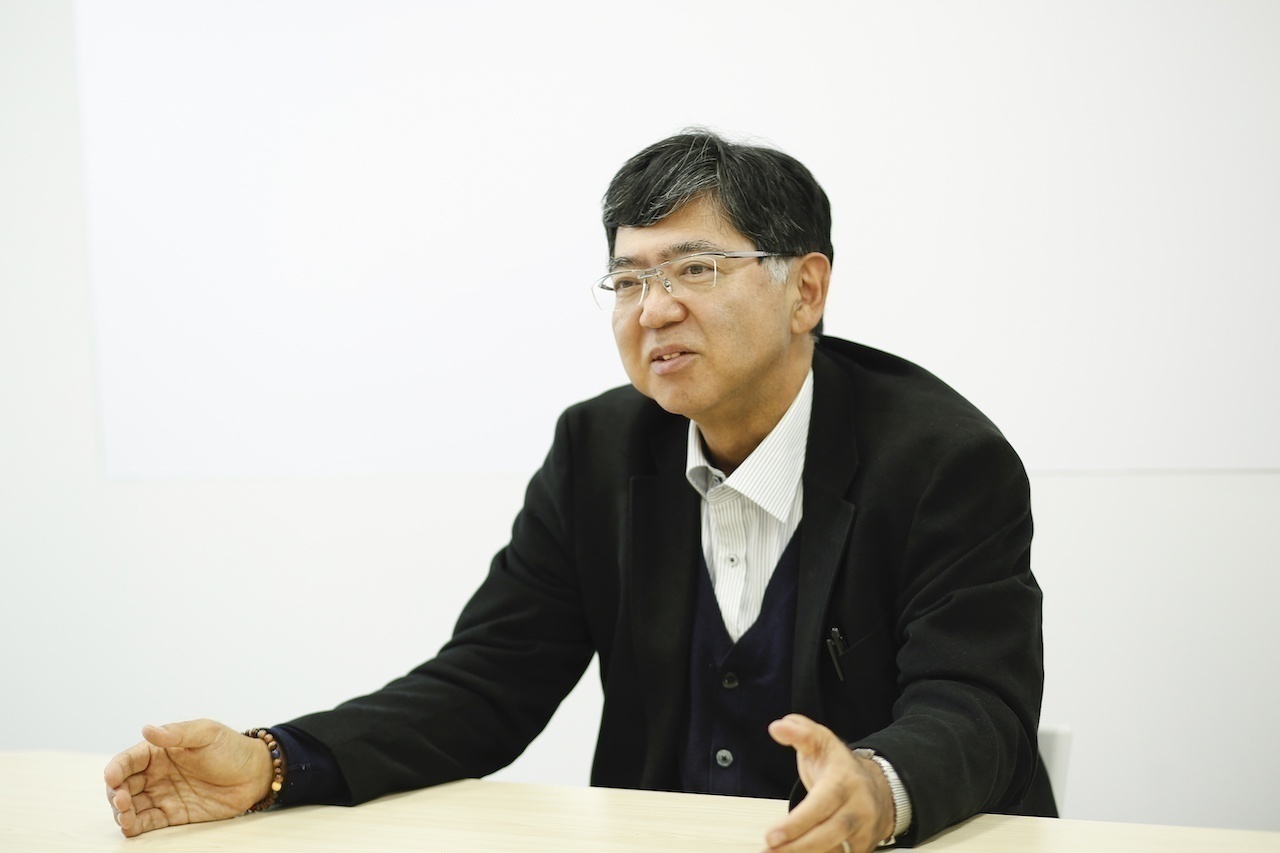
浜井 浩一教授(本学法学部・犯罪学研究センター 国際部門長)
浜井 浩一(はまい こういち)
本学法学部教授・犯罪学研究センター 国際部門長・「政策評価」ユニット長、矯正・保護総合センター長
<プロフィール>
法務省時代に矯正機関などで勤務。法務総合研究所や国連地域間犯罪司法研究所(UNICRI)の研究員も務め、国内外の犯罪や刑事政策に精通。犯罪統計や科学的根拠に基づいて犯罪学を研究中。
関連記事:
>>【犯罪学Café Talk】浜井 浩一教授(本学法学部 /犯罪学研究センター国際部門長)
As the situation is frequently changing, please be sure to check (and refresh) this page regularly.
This page displays various forms of support that International Students may take advantage of, due to the spread of the Novel Coronavirus. Please note that various notifications are also being posted on the Ryukoku Portal Site. Therefore, please be sure to check that information as well.
[Ryukoku University-Based Support Services]
○ “Benefit Scholarship” System During Online Class Period
・All students receive a flat rate of 30,000JPY
https://www.ryukoku.ac.jp/nc/news/entry-5524.html
○Extension of Final Payment Deadline (Tuition Deferred Payment and Partial Payment)
・The deadline for tuition deferred payment and partial payment has been extended to August 20th.
https://www.ryukoku.ac.jp/campus_career/expense/delayed.html
○Expansion of Short-Term Loan System
・The [Short-Term Loan System] , which charges no interest for students, is expanded with a maximum loan amount of 100,000JPY and a maximum refund period of ten months.
https://www.ryukoku.ac.jp/campus_career/expense/short_loan.html
○Emergency Food Support
・Provided mainly to students who live on their own by providing food in cooperation with Shiga and Kyoto Prefectures, as well as related businesses.
<Information available in the [お知らせ] section of the Ryukoku Portal Site>
○Internet-Based Library Services
・Web-related services such as the lending of books and journal article copying services, as well as the launch of a new service which delivers book copies and journal articles to students by post.
https://library.ryukoku.ac.jp/index.php?page_id=442
○Environmental Improvement and Other Student Support for Online Classes
・Expansion of the information and communication environment, maintenance of Web content accompanying online classes, laptop rental services, etc.
https://www.ryukoku.ac.jp/nc/news/entry-5437.html
〇Leave of Absence Enrollment Fee Scholarship for International Students unable to Re-Enter Japan
・If it is difficult to take part in online classes due to various factors such as the available internet environment, or if one wishes to take a Leave of Absence due to the fact that one can not re-enter Japan, a scholarship will be provided in the special case for reasons of absence that are not attributable to the Applicants themselves. The money will be applied to the Leave of Absence Enrollment Fee.
<Information available in the [お知らせ] section of the Ryukoku Portal Site>
[Information on Non-University-Based Support Services]
・Special Fixed Benefit 100,000JPY(Application Required to Local Government)
https://kyufukin.soumu.go.jp/ja-JP/download/
・[Student Emergency Support Benefits for Continued Education]
(Eligible Students can receive 100,000 ~ 200,000JPY)
https://www.ryukoku.ac.jp/nc/news/entry-5607.html
Visualizing Corona Countermeasures! Information Regarding Part-Time Vacancies for Student in Kyoto City
This is a special website that introduces part-time job information for students in Kyoto City, which clearly describes measures for business operator to prevent new Novel Coronavirus infections.
https://www.aines.net/city-kyoto
・For other information, please refer to the Ministry of Education, Culture, Sports, Science, and Technology
(MEXT) website.
Japanese Version:
日本に留学中の外国人学生の皆さんへ <外国人留学生向けの利用可能な制度一覧>
https://www.mext.go.jp/a_menu/koutou/ryugaku/1405561_00006.htm
English Version:
To All International Students Studying in Japan <List of Programs Available to International Students>
https://www.mext.go.jp/a_menu/koutou/ryugaku/1405561_00007.htm
・Kyoto Job Navi
Attractive information is provided about companies in Kyoto, as well as various semiars and events useful for employment and held in Kyoto Prefecture for “Job Seekers” and “Corporate People”.
http://www5.city.kyoto.jp/kigyo/kg_101.cgi?CT=0
・Hospitals and Dentists with Multilingual Capabilities
https://www.kcif.or.jp/web/jp/livingguide/hospitals/
・Other Information (MEXT Homepage)
For All International Students in Japan <Services for International Students>
https://www.mext.go.jp/a_menu/koutou/ryugaku/1405561_00006.htm
To All International Students Studying in Japan <List of Programs Available to International Students>
https://www.mext.go.jp/a_menu/koutou/ryugaku/1405561_00007.htm
6月5日に、社会学部の科目「社会共生実習(多文化共生のコミュニティ・デザイン~定住外国人にとって住みやすい日本になるには?~)」(担当教員:現代福祉学科 川中大輔)にて、在日朝鮮人二世である呉光現氏をお招きして、オンライン授業が開講されました。
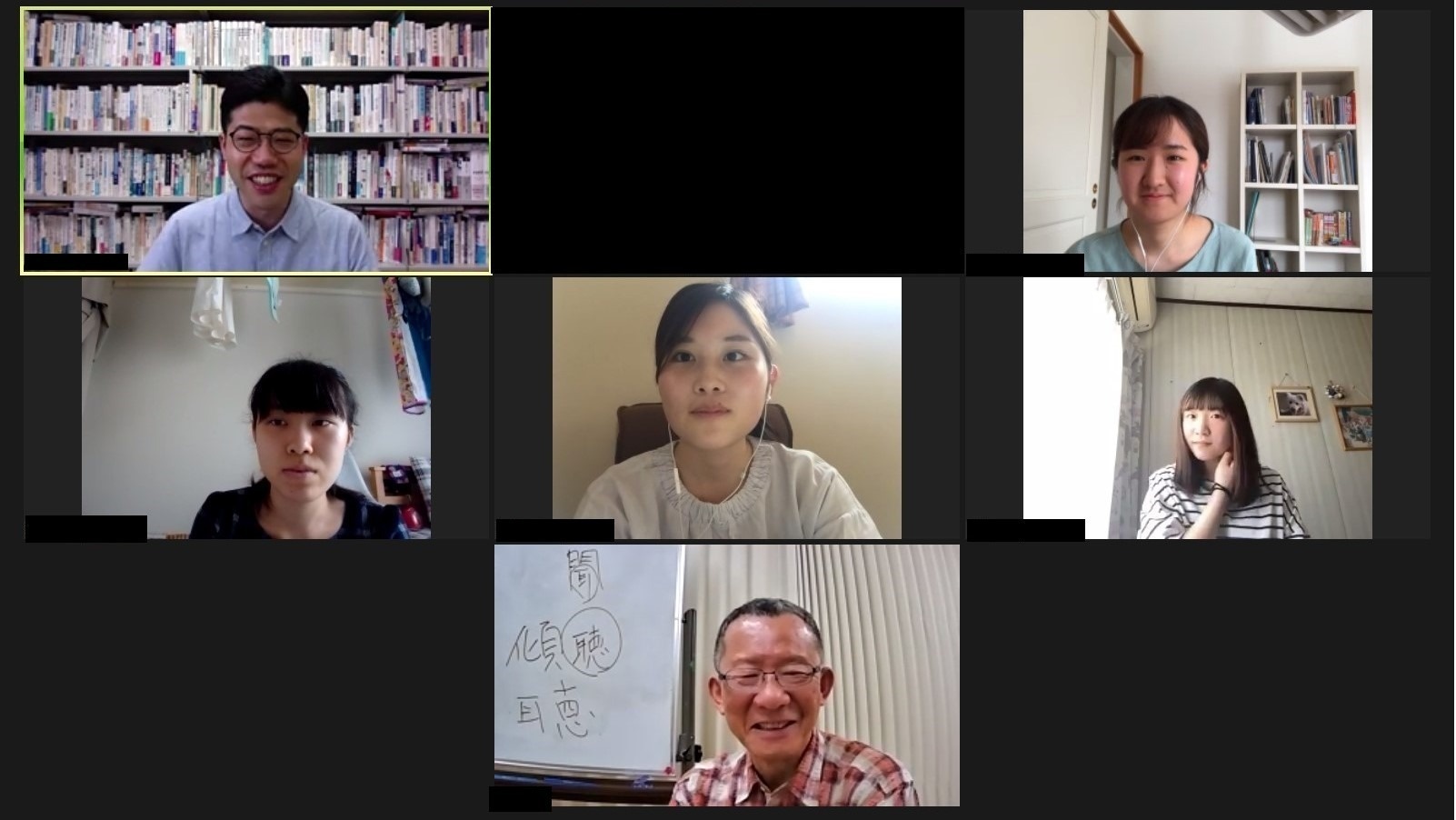
授業の様子
本プロジェクトの受講生らは、呉氏にインタビューするにあたり、事前資料を参考に質問を3つずつ考えており、その質問すべてにお答えくださいました。
ここでは、それらの質疑応答を少し紹介させていただきます。
日本社会で「ここは直して欲しい」と思うところはどういうところですか?
――例えば、「日本語がお上手ですね」と年に何度か言われることがあります。そのたびに、わたしは生まれも育ちも日本ですし、大学も卒業していますと、説明しなくてはいけません。
日本人のほとんどが、「在日朝鮮人」のことを知らないという事実をつきつけられることを辛く、また残念に感じます。
小学校では生徒同士で差別はありましたか?
――わたしが通っていた小学校はクラスの半分が在日朝鮮人だったので、子ども同士の差別やいじめはありませんでした。しかし、日本人の子どもと喧嘩をしたときに、親に「朝鮮人とあそぶな!」と言われたと明かされたことがありました。
また、在日朝鮮人の生徒だけ「民族学級」という授業があり、朝鮮の言葉や文化を学ぶ時間が設けられていました。しかし、日本の生徒は学ぶ必要がなく、わたしたちのことを知る機会はありませんでした。
日本に住んでいるのはほとんどが日本人なので、文化や風習など、わたしたちが日本人に合わせることはあっても、日本人が在日朝鮮人や外国人に合わせることは決してないのです。
娘さんは三世にあたりますが、差別などを受けられた経験があるのでしょうか?
――残念ながら、受けたことがあります。
例えば、アルバイトのWebエントリーを行った際に、韓国名を使っているために「外国人は雇用していません」と突き返されたり、面接の際に「日本語はできますか?日本に来て何年ですか?就労資格証明書は持っていますか?」という質問をされることがあり、そのたびに、入管法において、日系二世、三世については、「日本人の配偶者等」又は「定住者」の在留資格により入国が認められることとなっているので、就労資格証明書は必要ありませんと説明する必要がありました。
この他にも、たくさんの質問にひとつずつ丁寧に回答いただき、最後に、「聞く」ではなく、「傾聴」から始めてほしいと締めくくってくださいました。
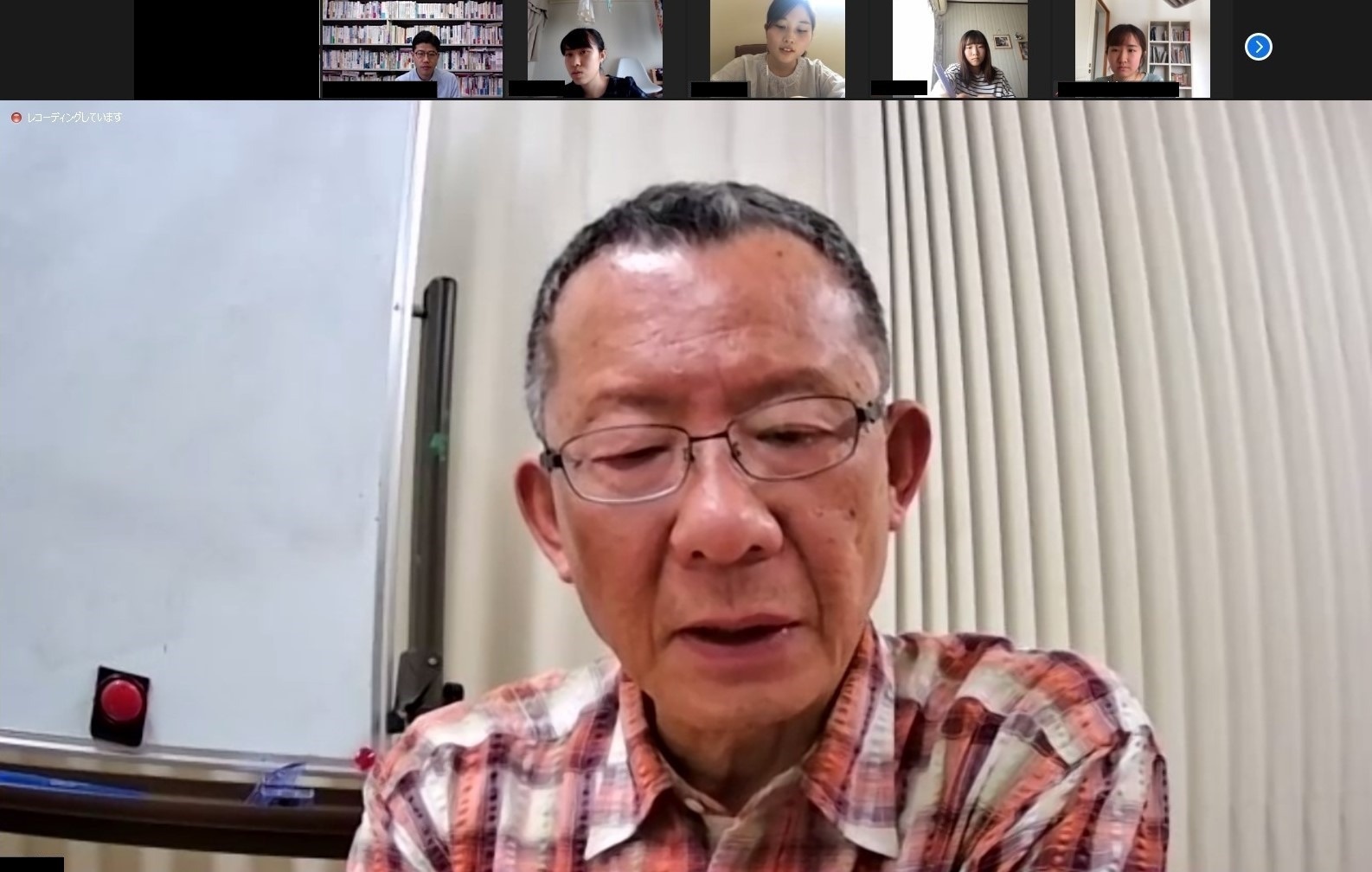
呉光現氏
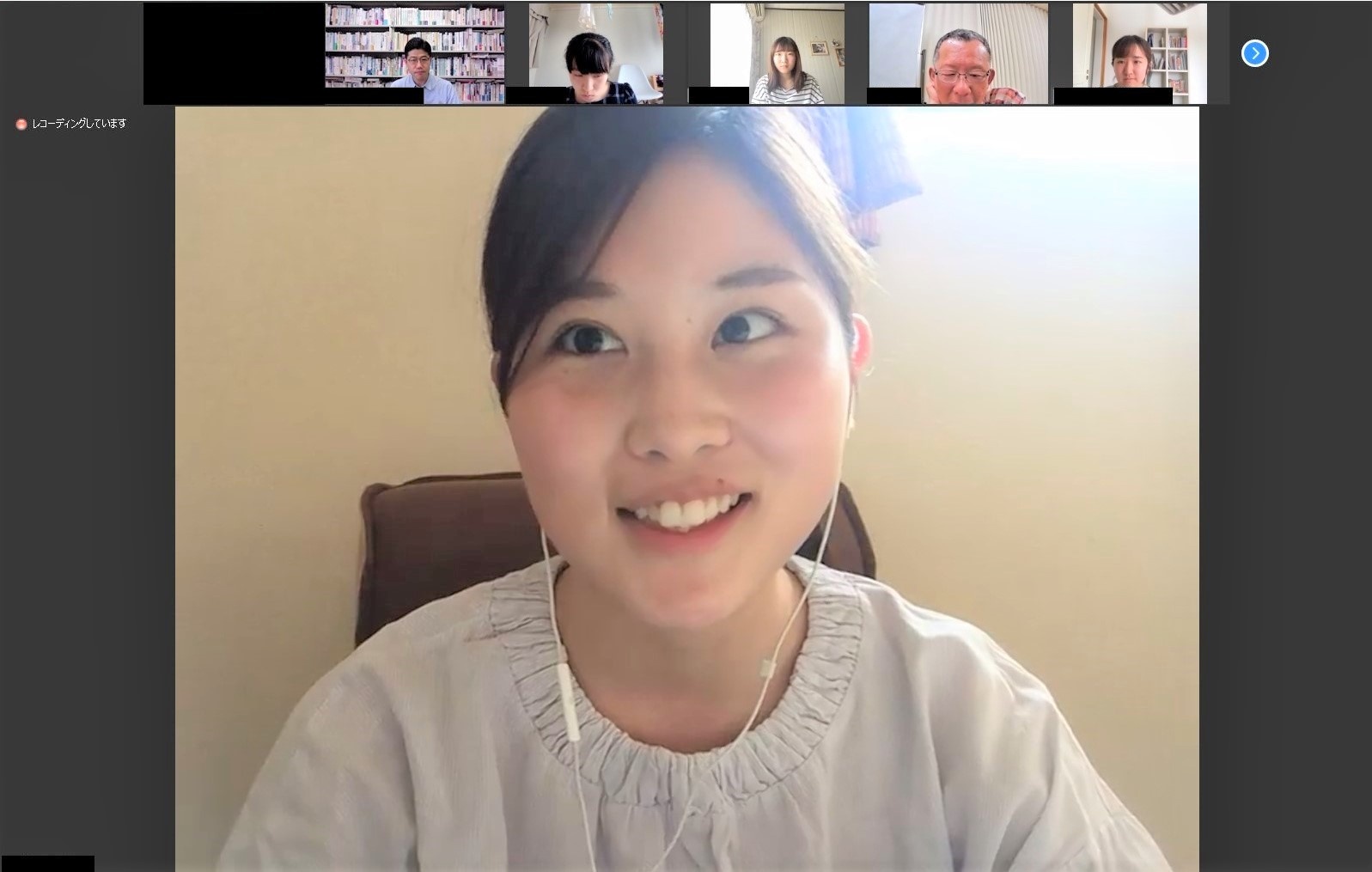
質問する受講生の様子
今回、受講生らも、今まで知る機会がなかった日本の現実を目の当たりにして、この現実をどうすれば変えることができるのか、どのように変えるべきか、いろいろと思いが駆け巡ったことと思います。
次週、本プロジェクトでは、定住外国人の家族の視点からをテーマに迫っていくため、本学社会学部同窓生の西嶋優太氏にお話を伺う予定です。
今回伺ったことも加味しつつ、多方面のお話を聴いて、更に「多文化共生」について深く考えていきます。
社会学部「社会共生実習」について、詳しくはこちらの【専用ページ】をご覧ください。
<!-- GET_Template id="body_default" module_id="" -->
作成者有限会社アップルップル
作成日2016/04/26
コメント
サブカラムで使用しているカテゴリーリストを表示します| module_id | モジュールIDを指定します |
|---|
<!-- GET_Template id="category_list" module_id="" -->
作成者有限会社アップルップル
作成日2016/04/26
コメント
カテゴリーエントリーサマリーを表示しています| module_id | モジュールIDを指定します |
|---|

愛媛大学の学生と研究報告・意見交換をおこないました【社会共生実習】
「社会共生実習(大学は社会共生に何ができるのか―文化財から“マネー”を創出する―)」(担当教員:社会学科 髙田満彦、猪瀬優理)では、12月4日に愛媛大学の社会共創学部 地域資源マネジメント学科 文化資源マネジメントコースの槙林ゼミに所属している学生と研究報告や意見交換をおこないました。 まず、本学学生から以下の報告がなされました。 滋賀県は「国宝・重要文化財 保有ランキング」において、東京、京都、奈良に次ぐ全国4位に位置していながらも、上位3都府県に匹敵するほどの経済効果を生み出していません。そこで、本プ...
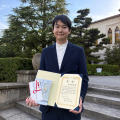
国際学部国際文化学科の澤西祐典准教授の著書『芥川龍之介における海外文学受容――旧蔵書越しに見える風景』(ひつじ書房、2025年)が、第31回日本比較文学会賞を受賞しました。 学会賞授与式は、2026年6月13日(土)、関西学院大学西宮上ケ原キャンパスで開催された日本比較文学会第88回全国大会において行われました。 本書は、芥川龍之介が所蔵していた洋書844冊の悉皆調査をもとに、芥川が海外文学をどのように読み、自らの創作へと結びつけたのかを明らかにした研究です。 膨大な先行研究が蓄積され、研究し尽くされたとも考えられ...
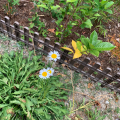
東日本大震災で亡くなった佐藤愛梨ちゃんが亡くなった場所に咲いたフランス菊を全国に広めることで防災や命の大切さを伝えていくプロジェクト。 深草キャンパス内で暑い中、花を咲かせてくれています。 例年ゴールデンウィーク前後の1ヶ月間満開になって楽しませてくれる花ですが、今年は花を咲かせる時期が少しずつずれていているおかげで、ずっと花を楽しませてくれています。 酷暑に負けず元気に咲いている花から元気をもらいました。

2024年1月の宗教行事・宗教部関連行事のご案内です。ぜひご参加ください。 ■1月8日(月・祝)11:00~12:00 新年法要(学内行事) 場所 深草学舎 顕真館 配信 学内のみ ■1月15日(月)12:15~13:15 お逮夜法要 「仏教から読み解くアンパンマン 〜浄土真宗の視点を中心に〜」 講師 四夷法顕 さん 浄土真宗本願寺派信行寺住職・非常勤講師 場所 深草学舎 顕真館 配信 https://www.youtube.com/live/Usa_A7tXM0k?si=64iBC0Q8xuYphktw ■朝の勤行 朝の勤行 月~金 朝8:55~9:10 場所 深草学舎顕真館、大宮学舎本館講堂、瀬田学舎樹心館 ※冬期...
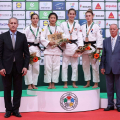
【柔道部(女子)】2023世界ジュニア選手権大会女子52kg級で神谷鈴選手(文学部3年)が優勝
2023年10月4日~8日にポルトガル・オディベーラスで開催された「2023世界ジュニア選手権大会」の女子52kg級で神谷鈴選手(文学部3年)が世界一に輝きました。 神谷選手は2023年9月9日に開催された「全日本ジュニア柔道体重別選手権大会」での優勝が評価され、本大会の日本代表選手に選出されました。 初の国際大会で金メダルを獲得した「2023年フランスジュニア国際大会」に続く自身2回目の国際大会では、オール一本勝ちという圧倒的な強さで世界一に輝きました。 世界ジュニア選手権での優勝は、2018年の女子52kg級武田亮子選手(2021...
・学生生活ガイダンス ・図書館の利用について ※図書館を利用する前に、「図書館オリエンテーション動画」の①~④を視聴してください。 ・大学での修学や学生生活にかかる相談窓口について ・資格取得・就職支援講座の対応について【キャリアセンター】(4月10日更新)
詳細 https://www.ryukoku.ac.jp/nc/news/entry-18433.html
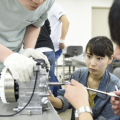
10月29日(土)、30日(日)龍谷祭に合わせて秋の研究室公開(オープンラボ)を開催します。 先端理工学部の研究や取り組み内容を広く公開。受験生から家族連れまで誰でも見て触れて楽しんでもらえる「研究室公開」です。 是非お越しください。 詳しくは特設サイトへGO! https://oc.rikou.ryukoku.ac.jp/
龍谷大学では、京阪電気鉄道株式会社の協力を得て、鉄道駅前での農山村の逸品PR、販売に取り組みます。 龍谷大学政策学部では、学生が地域に入って地域の課題解決に取り組む中で、多様な実践的スキルを習得するゼミや科目が多く存在します。その中には地域資源を活用し商品開発に取り組むところもあります。これらの取り組みは、従来ゼミ単位、科目内のプロジェクト単位でPRや販売をしていましたが、これら多様な活動に横串を通し、さまざまな農山村、学生、教員、そして都市住民をつなぎ、ノウハウやアイデア、共感の高め合いができる...
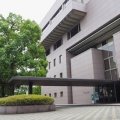
<開催延期>円卓会議「受刑者の健康と刑務所生活〜マザーハウス健康調査報告書〜」【犯罪学研究センター協力】
新型コロナウイルス感染拡大予防のため、3月1日開催予定のイベントを当面延期いたします。(2020/2/25AM更新) 開催予定が決まりしだい、HPで告知いたします。 企画趣旨: NPO法人マザーハウスでは、中谷こずえさんと協力して、全国の矯正施設の収容者725名に健康に関するアンケートを実施し、284名から回答を得ました。この調査調査を踏まえ、受刑中や社会復帰後の健康と医療について”えんたく”方式で皆さんと課題を共有し、一緒に 考えたいと思います。 なお、”えんたく”とは、ATA-netがが開発した課題共有型のフォーカス・ミーティ...
詳細:https://www.ryukoku.ac.jp/nc/news/entry-16876.html
龍谷大学 犯罪学研究センター・矯正宗教学ユニットは、2024年3月27日(水)16:30-18:05にオンライン公開研究会を開催します。 研究者間の情報共有はもとより、内外の研究員や学生など様々な方に知っていただく機会として、公開スタイルで開催します。 研究会は「事前申し込み制」でオンライン開催します。ぜひふるってご参加ください。 【>>お申込みフォーム】 ※お申し込み期限:3月27日(水)正午まで 矯正宗教学ユニット公開研究会 日 時:2024年3月27日(水)16:30-18:00 場 所:オンライン 報告者:川元惠史(龍谷大...

テキストが入ります。テキストが入ります。テキストが入ります。テキストが入ります。テキストが入ります。テキストが入ります。テキストが入ります。テキストが入ります。テキストが入ります。テキストが入ります。テキストが入ります。テキストが入ります。テキストが入ります。テキストが入ります。テキストが入ります。テキストが入ります。
■履修<履修登録手続編>重要 履修<履修登録手続編>(通し)「時間割の組み方、登録の仕方、注意事項など」 20分 ※以下の動画は履修<履修登録手続編>(通し)を分けたものです。 1.履修登録の準備 基本事項の確認 「基本事項を確認しよう」 3分半 2.履修登録の流れ 「履修登録の流れ」 1分 3.時間割 必修編 「時間割を組んでみよう 必修科目編」 2分半 4.時間割 教養科目編 「教養科目で残りの科目を決めよう」 4分半 5.予備・事前登録 「科目を決めたら登録しよう 予備・事前登録」 2分半 6.本登録 「本登録しよう...
国際学部 履修<履修登録手続編> ■履修<履修登録手続編>重要 履修<履修登録手続編>(通し)「時間割の組み方、登録の仕方、注意事項など」 20分 ※以下の動画は履修<履修登録手続編>(通し)を分けたものです。 1.履修登録の準備 基本事項の確認「基本事項を確認しよう」 3分半 2.履修登録の流れ「履修登録の流れ」 1分 3.時間割 必修科目編「時間割を組んでみよう 必修科目編」 2分半 4.時間割 教養科...
<!-- GET_Template id="category_entry_summary" module_id="" -->
作成者有限会社アップルップル
作成日2016/04/26
作成者有限会社アップルップル
作成日2016/04/26
コメント
サブカラムで使用してるリンク集のリストを表示します| module_id | モジュールIDを指定します |
|---|
<!-- GET_Template id="link_list" module_id="" -->
作成者有限会社アップルップル
作成日2016/04/26
作成者KDL藤川
作成日2017/04/26
作成者KDL藤川
作成日2017/05/12
作成者KDL藤川
作成日2017/05/12
作成者KDL藤川
作成日2017/04/26
作成者KDL藤川
作成日2017/04/26
作成者KDL藤川
作成日2017/05/12
作成者KDL藤川
作成日2017/05/12
作成者KDL藤川
作成日2017/04/26
作成者KDL沖
作成日2017/05/08
作成者KDL沖
作成日2017/05/08
作成者KDL藤川
作成日2017/05/15
作成者有限会社アップルップル
作成日2016/04/26
作成者KDL藤川
作成日2017/05/01

コメント
フッターで使用されているナビゲーションを表示します見出しはモジュールのカスタムフィールドで設定できます