先端理工学部の夏のオープンキャンパス開催中!(オンラインイベントも実施)
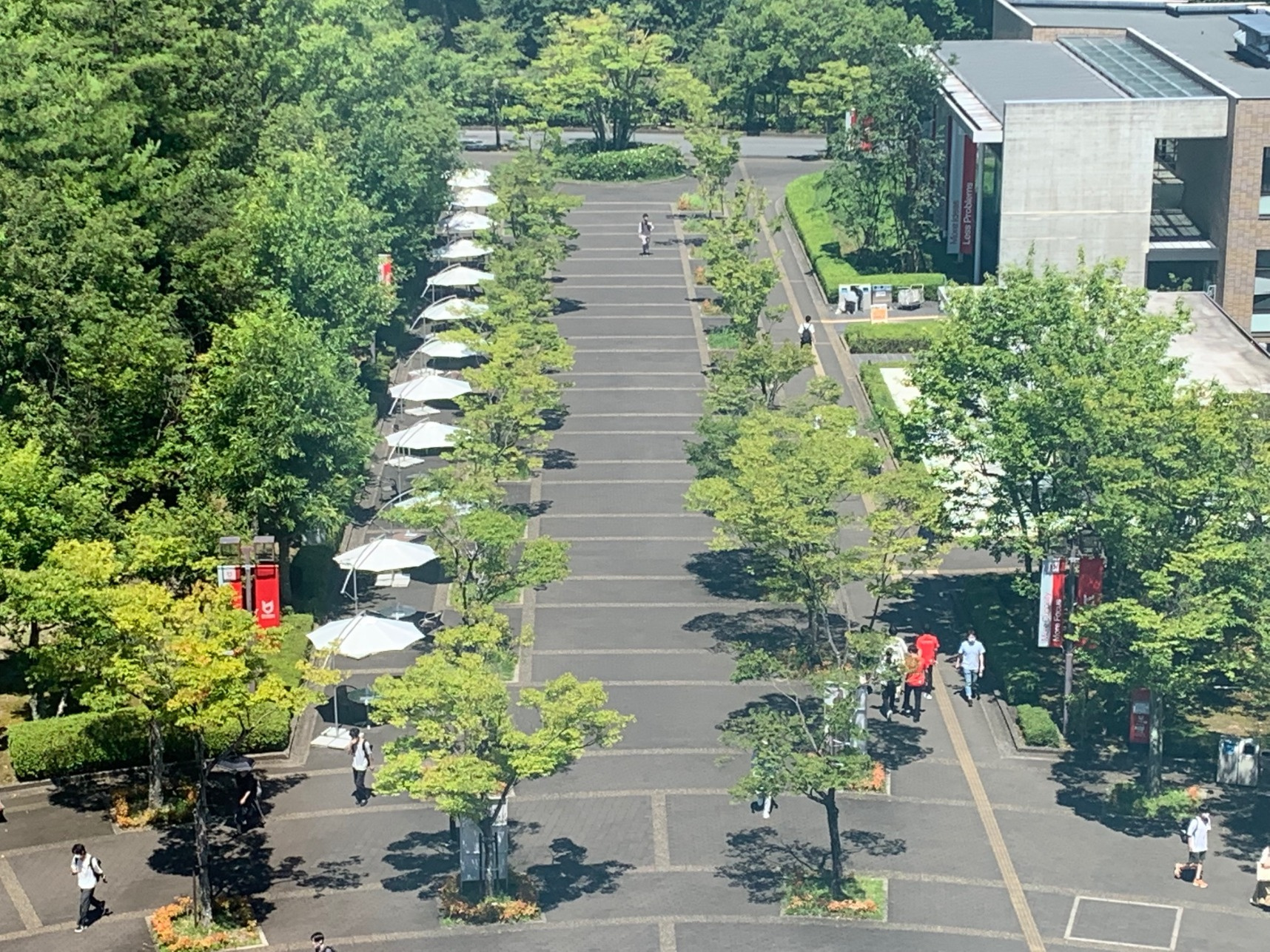
現在、夏のオープンキャンパスを開催中です。 当日来場いただけない方にもオンラインで参加してもらえるイベントもあるので、ぜひご参加ください。
■先端理工学部特設サイト https://sentan.rikou.ryukoku.ac.jp/oc/
作成者有限会社アップルップル
作成日2016/04/26
コメント
サブカラムで使用しているエントリーリストを表示します| module_id | モジュールIDを指定します |
|---|
<!-- GET_Template id="entry_list" module_id="" -->
作成者有限会社アップルップル
作成日2016/04/26
コメント
デフォルトのヘッドラインを表示します| module_id | モジュールIDを指定します |
|---|
<!-- GET_Template id="headline_default" module_id="" -->
作成者有限会社アップルップル
作成日2016/04/26
作成者有限会社アップルップル
作成日2016/04/26
コメント
サマリーを表示します| module_id | モジュールIDを指定します |
|---|---|
| message | リード文を指定します |
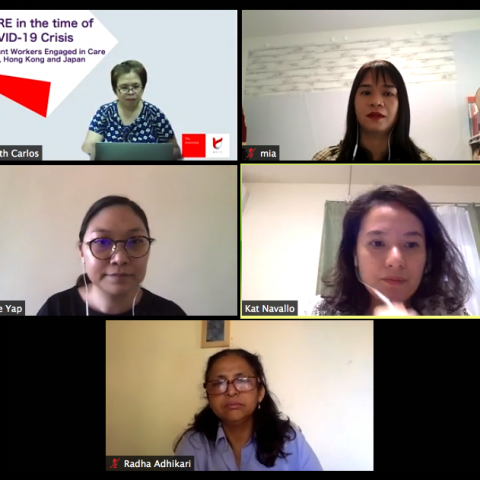
GARC Webinar Series No.2 開催 コロナ禍とケアー ~イギリス・香港・日本の 外国人ケアー労働者~【グローバル・アフェアーズ研究センター】
GARC Webinar シリーズ「コロナ禍と移民」の第2回となるウェブセミナー...

2020.9.7ページ作成 2020.9.28更新 2020.10.10更新 学生企画:インター...
障がいのある学生で支援を希望する学生のみなさまへ【障がい学生支援室】
龍谷大学は、障がいのある学生を支援するために「障がい学生支援室」を...
わたしたち、オンライン保育実習に挑戦中:Withコロナ時代の新たな学びを切り拓くpart.5
わたしたち、オンライン保育実習に挑戦中:Withコロナ時代の新たな学び...
2020年大阪高生研 9月オンライン例会<一般参加者を募集>【犯罪学研究センター協力】
犯罪学研究センター 法教育・法情報ユニットの嘱託研究員である札埜和男...
履修登録における注意事項・連絡を学科ごとにまとめたページを用意して...
<!-- GET_Template id="summary_imageMain" module_id="" message="" -->
作成者有限会社アップルップル
作成日2016/04/26
コメント
物件情報用カスタムフィールド画像を表示するためのサマリーですパラメーターがありません。
<!-- GET_Template id="summary_custom" -->
作成者有限会社アップルップル
作成日2016/04/26
作成者有限会社アップルップル
作成日2016/04/26
コメント
エントリー本文を表示します| module_id | モジュールIDを指定します |
|---|
現在、夏のオープンキャンパスを開催中です。 当日来場いただけない方にもオンラインで参加してもらえるイベントもあるので、ぜひご参加ください。
■先端理工学部特設サイト https://sentan.rikou.ryukoku.ac.jp/oc/
龍谷大学 犯罪学研究センター(CrimRC)は、下記のウェビナーを、来る8月23日(月)に共催します。
【>>お申込みページ】
※お申し込み期限:8月23日(月)18:00まで
【龍谷大学ATA-net研究センター/犯罪学研究センター共催・ティーチイン】 シリーズ第8回「大麻取締法という人権侵害をいつまで続けるのか?」 の続きを読む
7月29日(木)付けで、文部科学省から、本学でのワクチン接種を開始できる時期は、8月16日(月)以降になるとの連絡があった旨をお知らせしました。
今般、文部科学省から、龍谷大学におけるワクチン接種(大学拠点接種)は、8月23日(月)の週に接種を開始できるよう調整中である旨の連絡が再度ありました。
今後、厚生労働省から、ワクチン供給等にかかる連絡が順次入る予定です。
ワクチン接種開始日が確定次第、予約方法など詳細を大学ウェブサイトおよびポータルサイトにてお知らせいたします。
大学ウェブサイトおよびポータルサイトの情報を、適宜ご確認くださいますようよろしくお願いします。
2021(令和3)年8月6日
龍谷大学
龍谷大学短期大学部
7月27日と8月3日、文学研究科の進学ガイダンスをオンラインにて開催いたしました。
8月3日に開催しました動画を、公開いたします。
▽龍谷大学大学院 文学研究科 大学院進学ガイダンス(2021年8月3日開催)
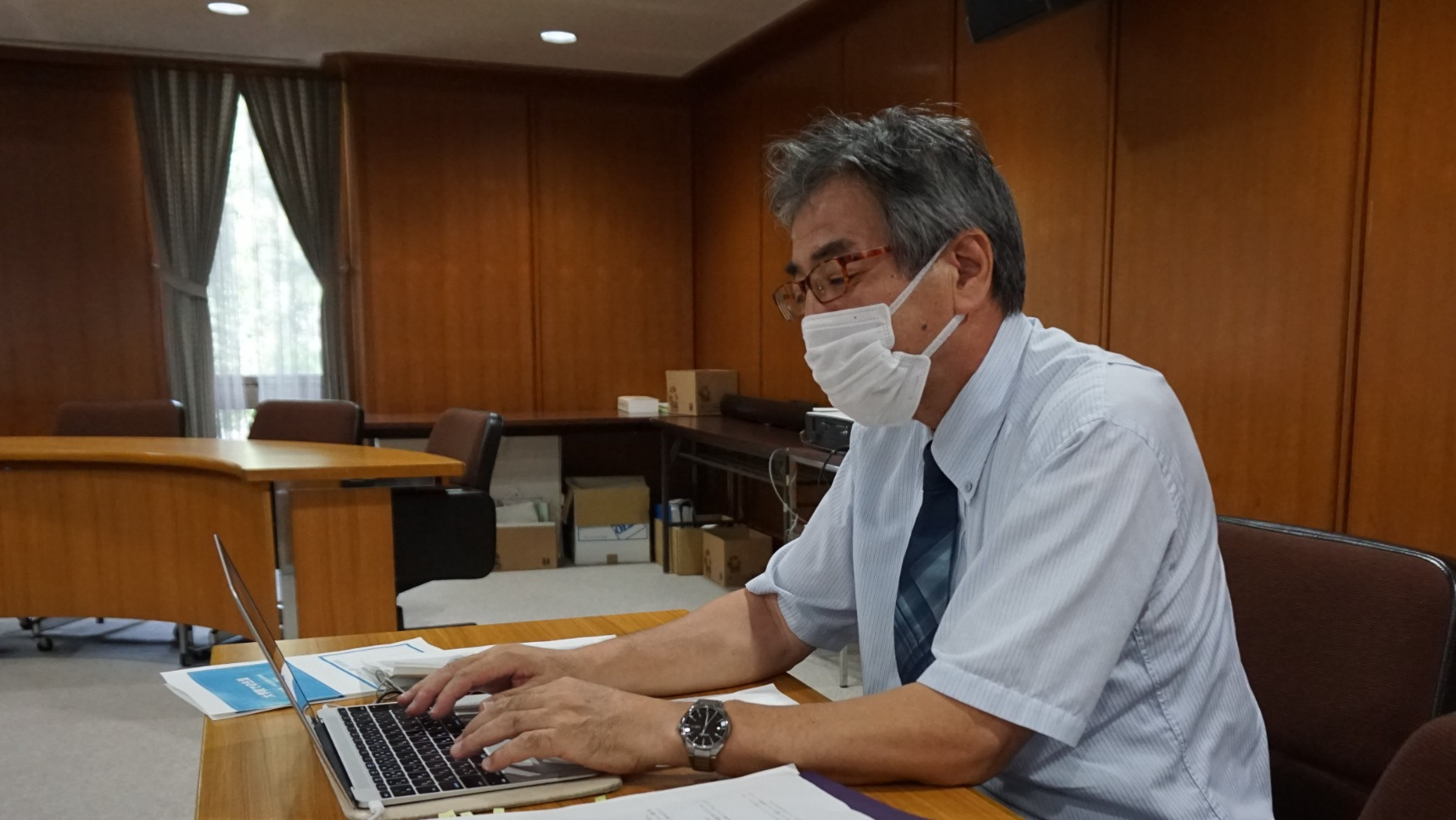
文学研究科長 國下 多美樹 教授
進学ガイダンスでは、國下研究科長の挨拶の後、研究科の概要・入試情報などの説明を行い、その後に、現役の学生による修士課程での大学院生活の紹介を行いました。

文学研究科修士課程臨床心理学専攻2年 水口ゆかりさん
7月27日開催のガイダンスでは、文学研究科修士課程臨床心理学専攻2年の水口ゆかりさんに、学生生活を紹介してもらいました。
8月3日開催のガイダンスでは、文学研究科博士後期課程仏教学専攻2年の萩野翔太さんに、学生生活を紹介してもらいました。
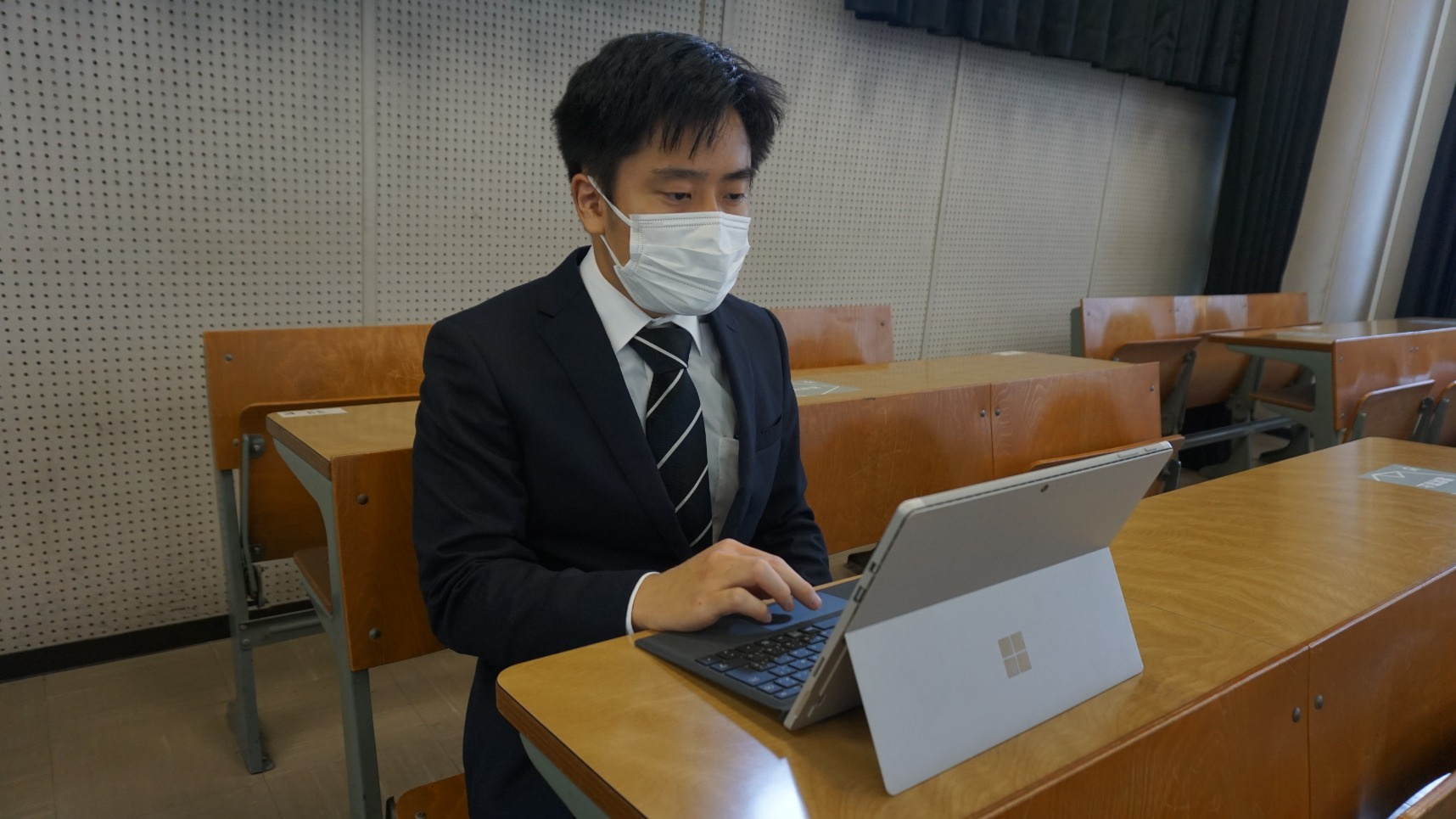
文学研究科博士後期課程仏教学専攻2年 萩野翔太さん
大学院入学後のイメージを掴んでいただけましたか。
動画をご覧いただいた方は、恐れ入りますが、以下のアンケートにご協力ください。
文学研究科の案内誌と入試情報は、こちらからご覧いただけます。
The Asian Criminological Society 12th Annual Conference (ACS2020), hosted by Ryukoku University, was held online for four days from June 18 to 21, 2021. The purpose of the conference, the second of its kind to be held in Japan after the 2014 Osaka conference, was to promote the growth of criminology in Asia and Oceania, and to promote academic exchange with advanced regions of criminology such as the United States and Europe.
>> ACS2020 Program https://acs2020.org/program.html
The overall theme of the conference is "Crime and Punishment under Asian Cultures: Tradition and Innovation in Criminology". The aim was to promote understanding of the social systems and culture and measures against crime and delinquency in Japan, which is said to be "the country with the least crime in the world".
The following is a summary of the Closing Plenary Session, which was held live streaming at the conference.
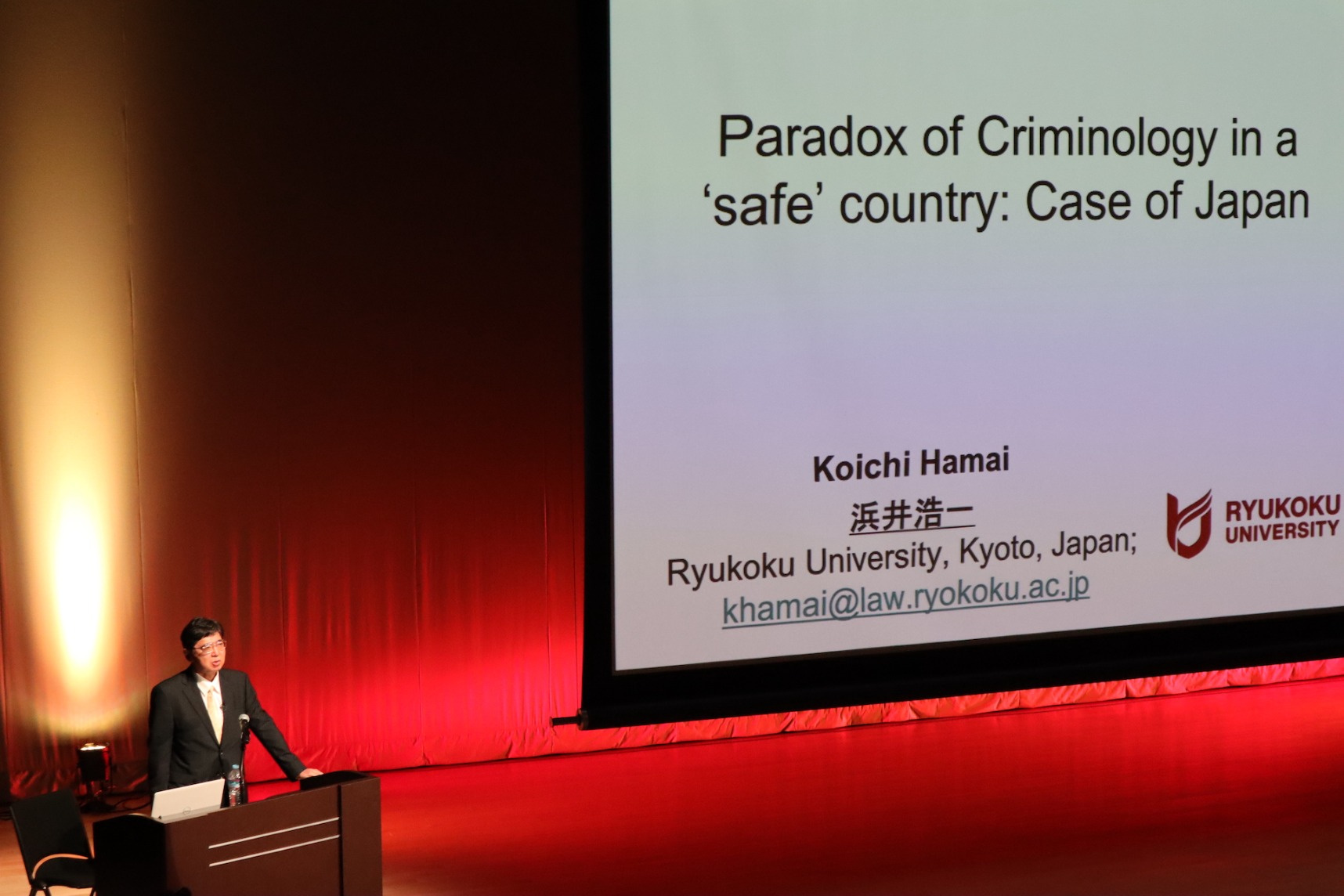
Koichi HAMAI (Professor of Criminology, Ryukoku University, Japan)
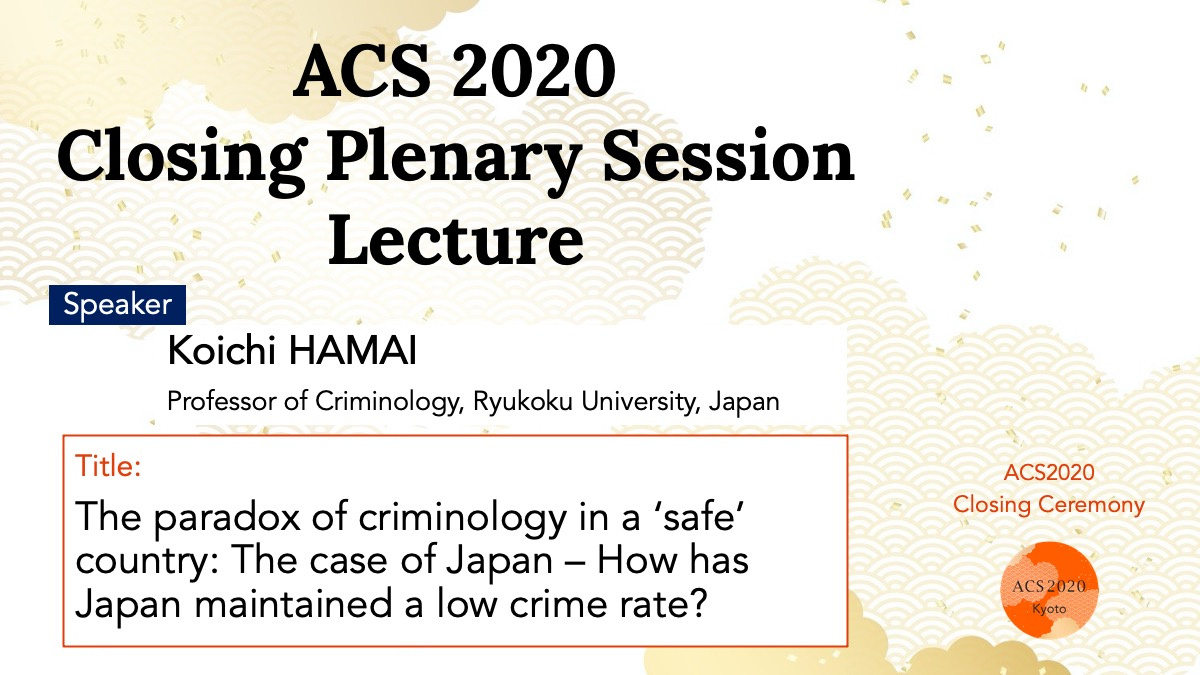
Presentation Summary:
[Decrease in Crime Recognition and Increase in Crimes by the Elderly]
Japan is said to be one of the safest countries among the developed countries. The number of homicide arrests per 100,000 population is much lower than in other countries, and is decreasing every year. The number of deaths due to violent crime is also decreasing. On the other hand, crimes committed by the elderly are on the rise. Even though the total number of inmates is decreasing, the number of elderly people being held in penal institutions for minor crimes such as shoplifting is increasing. It may be said that inmates in Japan are becoming welfare facilities. Many elderly inmates suffer from dementia, and the number of elderlies who die in prison is increasing. There are also inmates who reoffend and re-enter prison because they have no place in society. Prisons have become a safety net for the elderly.
[So-called "Peer Pressure"]
Japanese society is punitive towards those who disrupt order and cause trouble. Therefore, people are extremely afraid of causing trouble to others. In Japan, when someone helps you or takes care of you, many people say "I am sorry" instead of "Thank You". This is the same reason why people are hesitant to apply for welfare. It may be said that social order is maintained by mutual surveillance within a group, or fear of exclusion from a group. In a society of mutual surveillance, the fear of exclusion and isolation can discourage crime. However, once a person has become isolated from society, or has crossed the line into crime, he or she will be viewed harshly. As the number of isolated elderly people is increasing, the strict scrutiny of each other is leading them to commit crimes. For such elderly people, prison may be the only place where they do not have to bother others and do not have to worry about being subjected to new stigmas.
[Juvenile Delinquency in Japan]
Recently, the economic situation for juveniles in Japan has been worsening. The number of juveniles living in poverty has been increasing. However, the number of juvenile delinquents is decreasing, a paradoxical phenomenon. This phenomenon can be explained by Robert Merton's theory of anomie. In societies characterized by "innovation" such as the U.S., the predominant value choice and behavioral pattern is that it is okay to have some problems with how the goal is achieved. Japan, on the other hand, is a society where "ritualism" prevails, where alignment and synchronization are more important than devaluing goals. Furthermore, there is even a tendency among young people these days toward "retreatism," which is the abandonment of achieving goals and conforming to rules in the first place. So we are beginning to see juveniles who are not even motivated to delinquency. An international survey on youth attitudes conducted by the Cabinet Office also shows that Japanese youths do not have high hopes for their future. Without big dreams, there will be no tension due to dissatisfaction, which can lead to crime.
[Pandemics and Criminology]
This year's Asian Criminological Society 12th Annual Conference was held in the midst of a pandemic, the global outbreak of COVID-19. As a member of the academic division, I asked the invited speakers to mention the pandemic.
Prof. David Garland (Sociology of Law, New York University, U.S.) argued that criminology should learn from the role that public health (experts) have played in this pandemic. He also argued that it is important to take a public criminology perspective on how to communicate expert knowledge to citizens and policymakers.
In a pandemic, a person is infected with a virus, which is then transmitted by the infected person to other people. An important mission for public health is to communicate real threats to people scientifically. In other words, the key message is to accurately convey that the target to be fought (evil) is the virus, not the person carrying it.
The same goes for criminology. Penal Populism argues that it is the individual criminals who are the real threats to us so that isolating (incapacitating), intimidating, and monitoring them will be the answers to solve the problem.
The mission of criminology, like that of public health, is to inform the public, based on scientific knowledge, about the mechanisms that make people commit a crime and the mechanisms that help people recover from crime. As with infectious diseases, any person can be infected with the virus of crime. And anyone can recover from that infection. It is important to convey this fact properly to the public.
Prof. Shadd Maruna (School of Social Sciences, Education and Social Work, Queen's University, UK) showed how to recover from the infection of crime. Prof. Lorraine Mazerolle (School of Criminology, University of Queensland, Australia) pointed out that reliable criminal justice is the key to solving the problem. Like Prof. Garland, Prof. John Pratt (Institute of Criminology, Victoria University of Wellington, New Zealand) pointed out that criminology needs to learn from public health successes and strive to communicate the right knowledge to the public, which will reduce punitive populism and pave the way for the future of criminology. He pointed out that criminology needs to learn from public health success stories and try to communicate the right knowledge to the public.
Japanese society is basically very punitive towards people who cross a certain line and cause trouble or cause trouble to others. And it is a society where mutual surveillance functions to prevent people from crossing certain lines. Even in the midst of a pandemic, the Japanese government has not taken strong measures such as lockdowns like European countries have. And trust in the government is not high. However, we have been able to maintain a relatively low infection rate, probably because of the functioning of these characteristics of our society.
[Paradigm of Criminal Policy]
Let me tell you about the case in Japan. At the request of a local government, I took on the role of an advisor for rehabilitation. I advised them, based on empirical data, that it is important to support reintegration into the community to prevent recidivism. I explained, based on evidence, that offenders are not enemies who should be excluded from society, but are born into society and return to it, just like us. Criminal policy in Japan should shift from a punitive paradigm to a reintegration paradigm. Such efforts are beginning to be made at the municipal level, and the "Nara City Regulation on Rehabilitation Support," in which I was involved, is one example.
[Conclusion Message]
In Buddhism, there is the concept of 縁(En), which is the everything that supports us. Without 縁, we would not be able to live on our own. If criminology can convince people that those who have committed crimes are also human beings just like us, and that they can be recovered by regaining their 縁, Japan may be able to change from a society of mutual surveillance to a society of mutual trust. This may be the path for which criminology in Japan should aim.
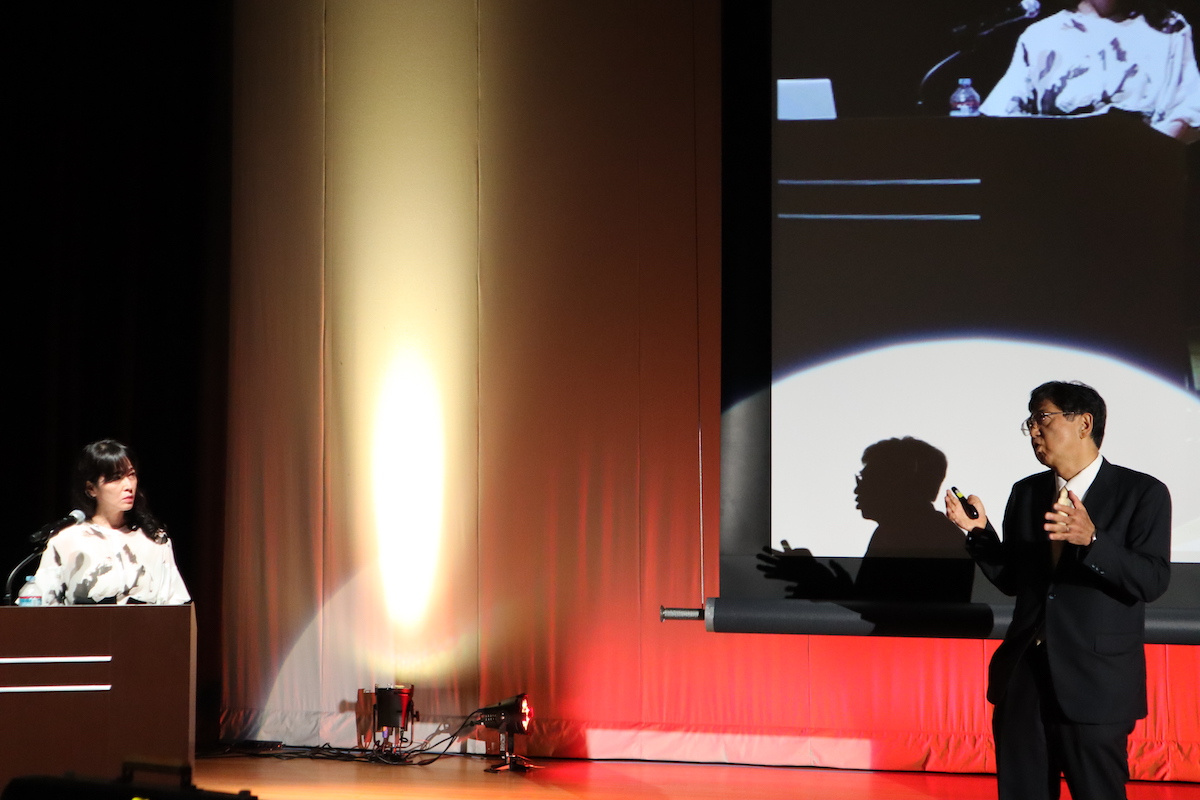
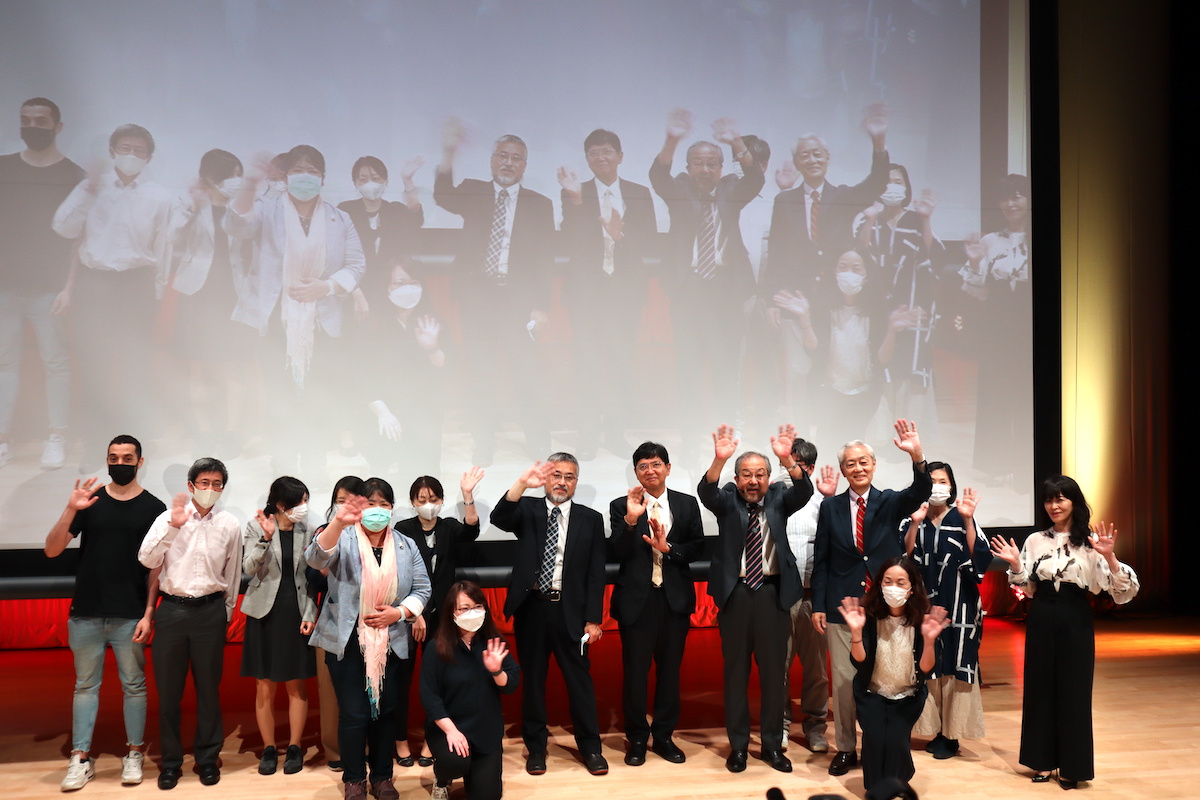
After the plenary lecture that summarized the conference, there was a discussion on why elderly people commit crimes in Japan and why they tend to be isolated. The answer lies in the isolation of the elderly. Elderly people who live alone cannot live without the help of those around them. However, many elderly people stay indoors and isolate themselves because they feel that they should not bother others for help.
<!-- GET_Template id="body_default" module_id="" -->
作成者有限会社アップルップル
作成日2016/04/26
コメント
サブカラムで使用しているカテゴリーリストを表示します| module_id | モジュールIDを指定します |
|---|
<!-- GET_Template id="category_list" module_id="" -->
作成者有限会社アップルップル
作成日2016/04/26
コメント
カテゴリーエントリーサマリーを表示しています| module_id | モジュールIDを指定します |
|---|

【本件のポイント】 ノーベル平和賞受賞者で経済学者のムハマド・ユヌス博士がオンライン講演。また、本学ユヌスソーシャルビジネスリサーチセンター長の白石克孝副学長が事例紹介とパネルディスカッションに登壇 マイクロクレジットやソーシャルビジネスの知見等を説明 提唱する「貧困0」、「失業0」、「CO2排出0」の3つのゼロが実現できる社会、いわゆる“3zero”に関する各機関の取組を紹介 【本件の概要】 龍谷大学ユヌスソーシャルビジネスリサーチセンター設立の由来となった、ムハマド・ユヌス博士(ノーベ...
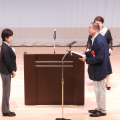
7/14 矯正・保護総合センター共催「第74回“社会を明るくする運動”伏見地区大会」を開催
7月14日、矯正・保護総合センターが共催しました法務省主唱「第74回“社会を明るくする運動” 〜犯罪や非行を防止し、立ち直りを支える地域のチカラ〜伏見地区大会」が、本学深草学舎成就館Ryukoku Main Theaterで開催されました。このイベントは、矯正・保護総合センターの社会貢献事業の一環として2019年度から協力しているものです。 当日は開会セレモニーの後、講演講師として浜井浩一龍谷大学矯正・保護総合センター長が登壇し、「エビデンスから考える 非行少年の立ち直り~反省は一人でできるが、更生は一人でできない~」をテー...
2019年3月16日、龍谷大学 犯罪学研究センターは「犯罪学研究センター 中間報告会」を、本学深草キャンパス紫光館で開催しました。 当センターは2016年6月に発足し、同年11月に文部科学省「私立大学研究ブランディング事業」に採択され、3年目を迎えました。これまで犯罪予防と対人支援を基軸とする龍谷大学ならではの「人にやさしい犯罪学」の創生に向けた研究と社会実装活動を展開してきました。 「中間報告会」当日は午前と午後の部に分けて行い、午前の部では研究部門の活動状況について発表、午後の部では、教育部門・国際部門の活...
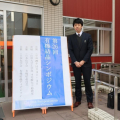
本学大学院生(西村涼君)が有機結晶シンポジウムで優秀講演賞受賞
2017年11月3日(金)~5日(日)、山形大学米沢キャンパスで開催された有機結晶シンポジウムで、本学大学院物質化学専攻修士課程2年生の西村 涼 君が優秀講演賞を受賞しました。 有機結晶シンポジウムは、公益社団法人日本化学会有機結晶部会が主催するシンポジウムです。年1回、おもに秋季に開催され、有機結晶の構造・物性・機能・反応・動的分子挙動等をはじめとした有機固体全般を討論主題として、口頭発表とポスター発表を実施しています。優秀な口頭およびポスター発表を行った大学院生および若手研究者に対して優秀賞を授与し、...
学生活動に最大30万円を支援!「龍谷チャレンジ」応募団体募集中!
本学では、学生の自主活動や社会連携活動(いずれも正課以外)を支援する「龍谷チャレンジ」制度を設け、学生活動のサポート(支援金最大30万円を含む)を行っています。 2022年度は「自主活動部門」、「社会連携・社会貢献活動部門」の2部門を設け、各部門の趣旨に沿う学生団体を募集・支援します。 学生の皆さんの熱意ある活動のご応募をお待ちしています。 【募集概要】 ※詳しくは添付の募集要項を確認してください。 ◆募集期間 2022年5月13日(金)~6月13日(月)※必着 ◆オンライン説明会 2022年5月13日(金)12:40~13:20 https://...

龍谷大学入試アドバイザーが、各地の進学相談会で受験生の個別相談に対応。 キャンパスの雰囲気や大学生活、入試制度、学費、各学部の特色等について分かりやすくご説明します。 主催業者:マイナビ

<入試説明> 2020年度入試のポイントを紹介します。自分にあった入試方式を確認しましょう。 <龍谷必勝講座> 人気予備校講師による英語対策講座。解説では出題傾向をふまえ、解答テクニックや受験勉強のコツなども伝授! <個別相談> 出願方法・併願方法など、入試に関する相談を入試担当者が個別相談に応じます。 <スケジュール> 17:30~17:50 入試説明 18:00~19:00 英語必勝講座 ※対策講座終了後、個別相談を受け付けます。
第33回CrimRC(犯罪学研究センター)公開研究会「刑罰体系の変更をめぐる諸問題」
龍谷大学 犯罪学研究センターは、下記イベントを5月13日(金)に主催します。 ご興味のある方ならどなたでも参加いただけます。ぜひ奮ってご参加ください。 【>>お申込みページ】 ※定員に達しましたので、受付を終了いたしました。(5月12日 PM3:20) 第33回「CrimRC(犯罪学研究センター)公開研究会 〔日時〕2022年5月13日(金)18:00-19:30 〔形式〕オンライン(Zoom) 〔参加費〕無料 〔定員〕100名(申込先着順) 刑罰体系の変更をめぐる諸問題 刑の単一化論がもたらすインパクト 〔趣旨〕 2022年3月8日に閣議決定...

龍谷大学入試アドバイザーが、各地の進学相談会で受験生の個別相談に対応。 キャンパスの雰囲気や大学生活、入試制度、学費、各学部の特色等について分かりやすくご説明します。 主催業者:新広告社(アスミル)

春季特別展「ブッダのお弟子さん-教えをつなぐ物語-」記念講演会(泉涌寺宝物館学芸員 西谷 功 氏)【龍谷ミュージアム】
※ 新型コロナウイルス感染予防・拡散防止のため、本イベントは中止になりました。 開催日:5月10日(日) 時 間:13時30分~15時00分 会 場:龍谷大学大宮学舎東黌301教室 講 師:西谷 功 氏(泉涌寺宝物館学芸員) テーマ:「羅漢図からみる僧院生活」 ※事前申し込み必要/聴講無料/先着100名様 観覧券必要(観覧後の半券可) ・ 春季特別展「ブッダのお弟子さん-教えをつなぐ物語-」HP

テキストが入ります。テキストが入ります。テキストが入ります。テキストが入ります。テキストが入ります。テキストが入ります。テキストが入ります。テキストが入ります。テキストが入ります。テキストが入ります。テキストが入ります。テキストが入ります。テキストが入ります。テキストが入ります。テキストが入ります。テキストが入ります。
■履修<履修登録手続編>重要 履修<履修登録手続編>(通し)「時間割の組み方、登録の仕方、注意事項など」 20分 ※以下の動画は履修<履修登録手続編>(通し)を分けたものです。 1.履修登録の準備 基本事項の確認 「基本事項を確認しよう」 3分半 2.履修登録の流れ 「履修登録の流れ」 1分 3.時間割 必修編 「時間割を組んでみよう 必修科目編」 2分半 4.時間割 教養科目編 「教養科目で残りの科目を決めよう」 4分半 5.予備・事前登録 「科目を決めたら登録しよう 予備・事前登録」 2分半 6.本登録 「本登録しよう...
国際学部 履修<履修登録手続編> ■履修<履修登録手続編>重要 履修<履修登録手続編>(通し)「時間割の組み方、登録の仕方、注意事項など」 20分 ※以下の動画は履修<履修登録手続編>(通し)を分けたものです。 1.履修登録の準備 基本事項の確認「基本事項を確認しよう」 3分半 2.履修登録の流れ「履修登録の流れ」 1分 3.時間割 必修科目編「時間割を組んでみよう 必修科目編」 2分半 4.時間割 教養科...
<!-- GET_Template id="category_entry_summary" module_id="" -->
作成者有限会社アップルップル
作成日2016/04/26
作成者有限会社アップルップル
作成日2016/04/26
コメント
サブカラムで使用してるリンク集のリストを表示します| module_id | モジュールIDを指定します |
|---|
<!-- GET_Template id="link_list" module_id="" -->
作成者有限会社アップルップル
作成日2016/04/26
作成者KDL藤川
作成日2017/04/26
作成者KDL藤川
作成日2017/05/12
作成者KDL藤川
作成日2017/05/12
作成者KDL藤川
作成日2017/04/26
作成者KDL藤川
作成日2017/04/26
作成者KDL藤川
作成日2017/05/12
作成者KDL藤川
作成日2017/05/12
作成者KDL藤川
作成日2017/04/26
作成者KDL沖
作成日2017/05/08
作成者KDL沖
作成日2017/05/08
作成者KDL藤川
作成日2017/05/15
作成者有限会社アップルップル
作成日2016/04/26
作成者KDL藤川
作成日2017/05/01

コメント
フッターで使用されているナビゲーションを表示します見出しはモジュールのカスタムフィールドで設定できます